
Behind the scenes of Club de Ultrace: where every detail matters
The first cars reached Tarczyński Arena in Wrocław on the morning of 27 June. For the people driving them, it was the start of two days of car culture. For the seven of us who organise Ultrace, it was the last morning of ten months of preparation. Ultrace is one of the largest automotive events in Poland, a thousand cars from around the world parked on a stadium esplanade, and every detail of it had to be right, from the 30-metre banner on the stadium down to the envelope a VIP invitation came in.
A car park roof
Ultrace started on the roof of a shopping centre car park. It was a concrete deck with a view of the city, the budgets were small and the guests were local. Euro 2012 changed that. Wrocław got a new stadium, now Tarczyński Arena, and with it an esplanade of a size organisers had only dreamed about. That is where Ultrace began to grow.
If one edition set the course, it was 2015, in Opole. That was the year Mike Koziel, a Los Angeles filmmaker well known in the car world, came for the first time. Nobody then expected his career to go as far as it did. He has since worked with Rimowa, Ford, RAM, Miami F1 and Cactus Jack, Travis Scott's label. With him, Ultrace started to draw attention from outside Poland.
Every year the participants came from further away. In 2019 Kazuki, whose story we have told separately, flew in from Japan with his Testarossa. A decade earlier, shipping a Ferrari halfway round the world for a meet in Poland would have sounded like a film script.
In 2020 a rebrand landed in the same year as a global pandemic. We kept going and held that edition in Katowice, and the brand came out of the year stronger. In the years after, bigger brands started asking about partnerships and the queue of applicants grew. Ultrace now has a fixed place on the European car culture calendar.
August to June
Work on the next edition starts almost as soon as the last one ends. Ultrace 2025 is behind us, and we are already going through the feedback and writing down ideas. We are asking who to invite, which brands would add something and how to use the esplanade better.
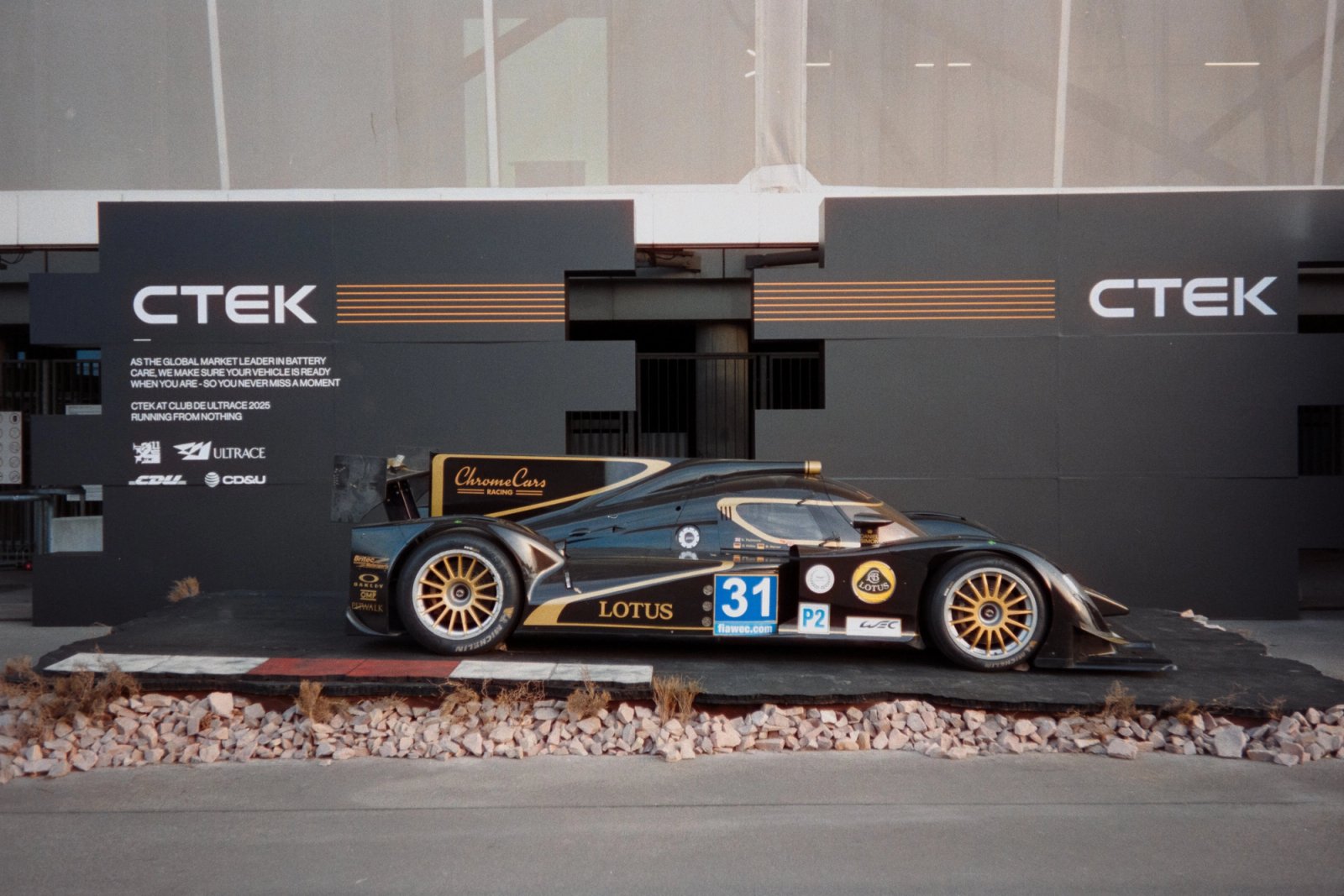
In August, when most people are only just back from holiday, we sit down to plan the marketing campaign for the following year. Ticket sales open in December. By then the stadium date has to be settled, which with a packed calendar of sports events can be a job in itself, and the communications plan has to be ready. In January we open applications for car owners. Space on the esplanade is limited and we want the most interesting cars from around the world, so every application goes through selection. At the same time we start talking to exhibitors, from carmakers such as Porsche and Alpine to tuning names like Rotiform, H&R and BBS, and technology companies such as CSF and CTEK.
The stands
Every premium stand at Ultrace is built to order, and international brands bring their own level of organisation. When Alpine decided to bring the Alpenglow, its hydrogen-powered concept car, we had to build a setting to match. Alpine's stand was made from a shipping container converted into an exhibition space, and next to it stood an LED cube the size of another container.
Planning each one started months ahead, with 3D renders, build plans, electrical specifications and safety requirements, and every item had to be signed off. Companies of that size leave nothing to chance, and we had to work to their standard.
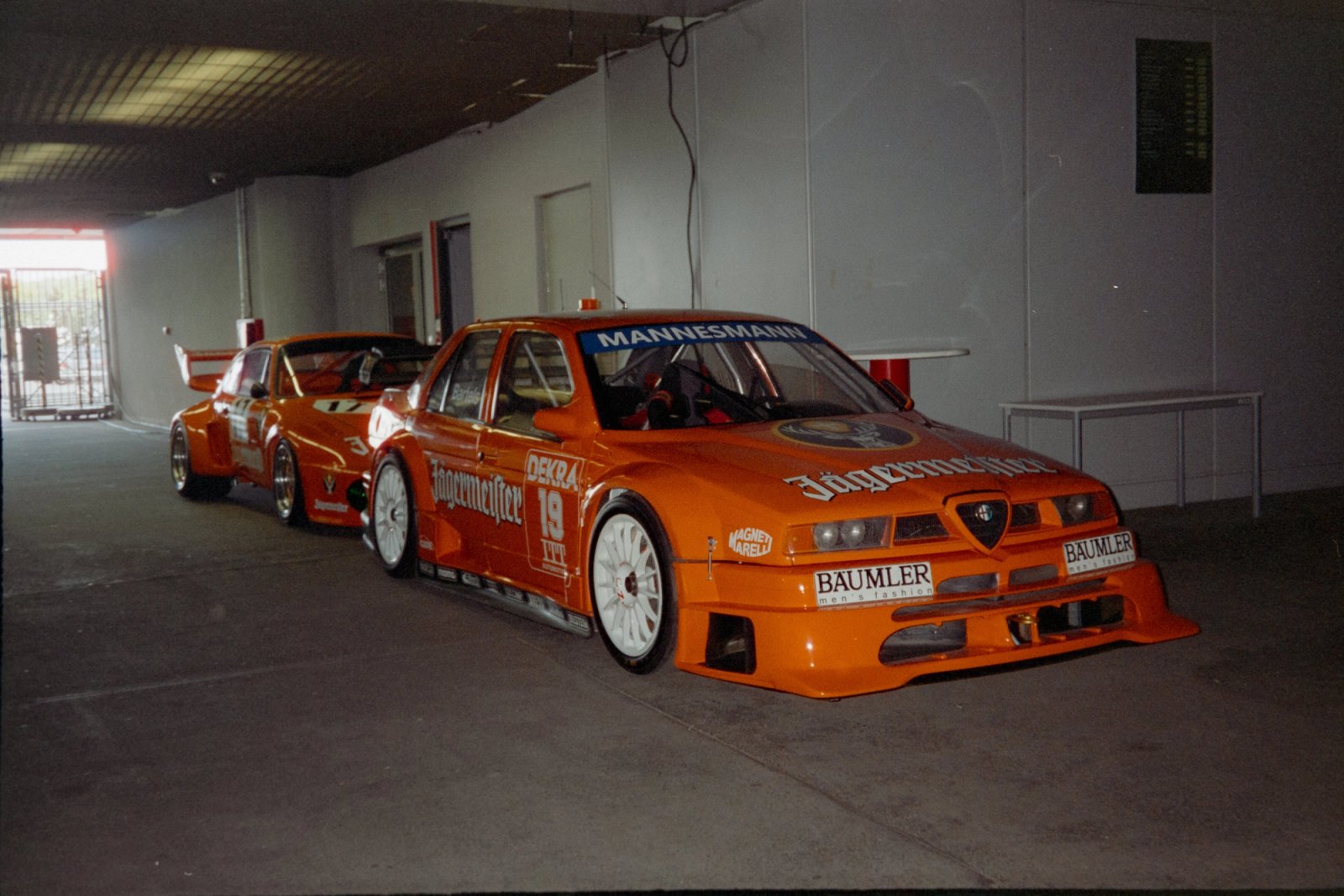
HFMSTRS, the BMW division that looks after the brand's classics, went further. They brought two BMW V12 LMRs, one of them the car that won Le Mans in 1999, and an E46 GTR Strassenversion. Fewer than ten of those were built, only so that the racing version could be homologated. Moving and securing cars like these takes the kind of planning you see in heist films.
The long way round
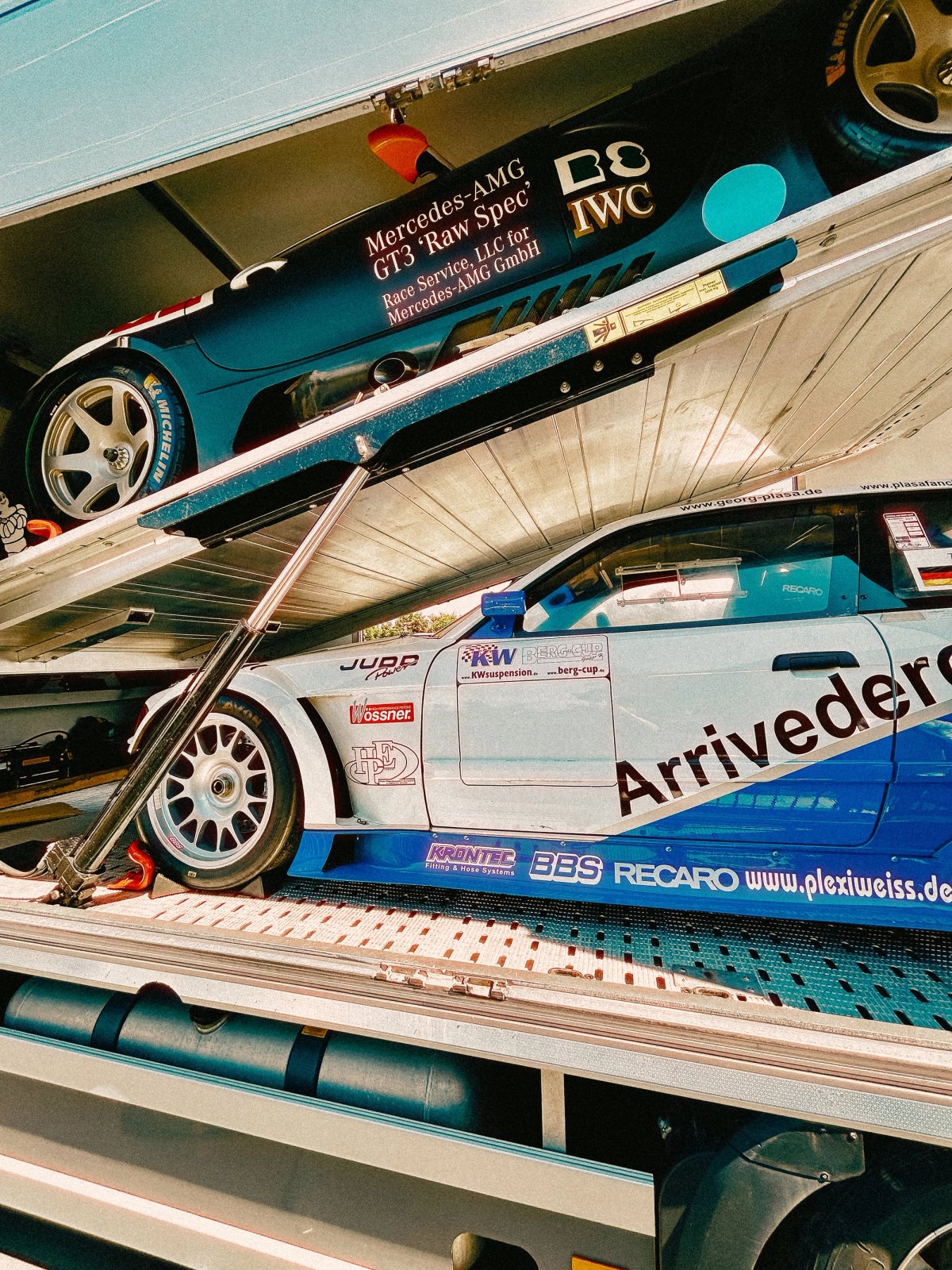
Five cars crossed the ocean from Japan in shipping containers. Convoys of specialist transporters came from the United Kingdom, more shipments from Italy, and from California a Mercedes AMG in Raw Spec configuration. On our map the routes looked like a strategy board, and each one took months to plan.
The McLaren 650-KS belonging to Sultan Al Qassimi ran into something no plan covers. The conflict between Israel and Iran escalated, and part of the cargo routes across the Middle East stopped moving. We needed alternative routes, extra paperwork and a change of carrier, which in this business is an ordinary day's work. Fortunately, everything arrived on time.
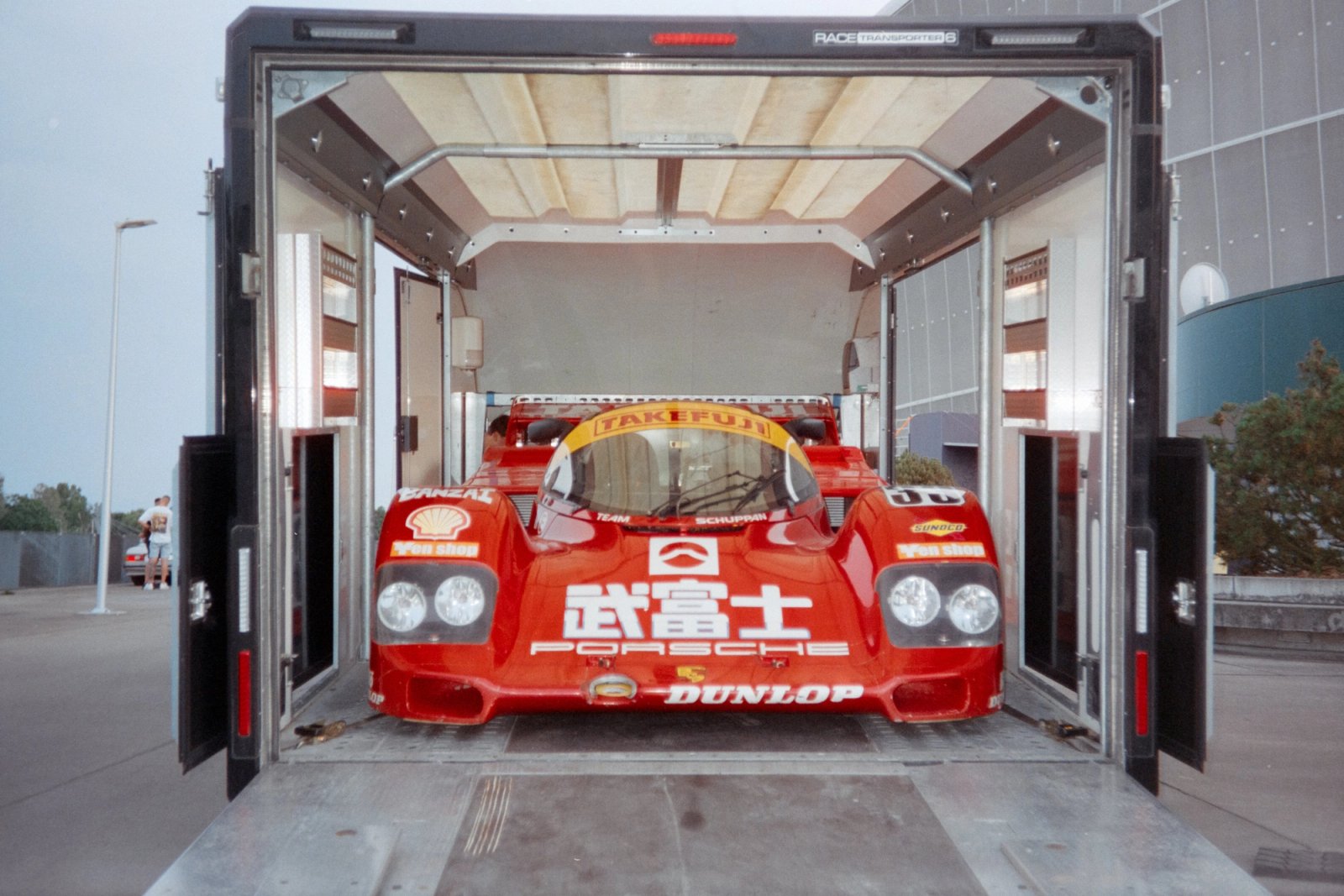
The cars from Chrome Cars and the HFMSTRS collections were moved by drivers who specialise in cars that cannot be replaced. I got talking to one of them and learned he was retired. Before that, he had hauled cars for the Mercedes F1 team. "Your cars are easier," he joked. "At least I don't have to worry about someone stripping them down and rebuilding them in the middle of the night before a race."
Their transporters have pneumatic systems, adjustable loading height and cameras watching every centimetre of the cargo space. That is standard. What the equipment cannot do is judge a viaduct, and sometimes the driver takes a 200-kilometre detour rather than pass under one with five centimetres of clearance.
On the esplanade
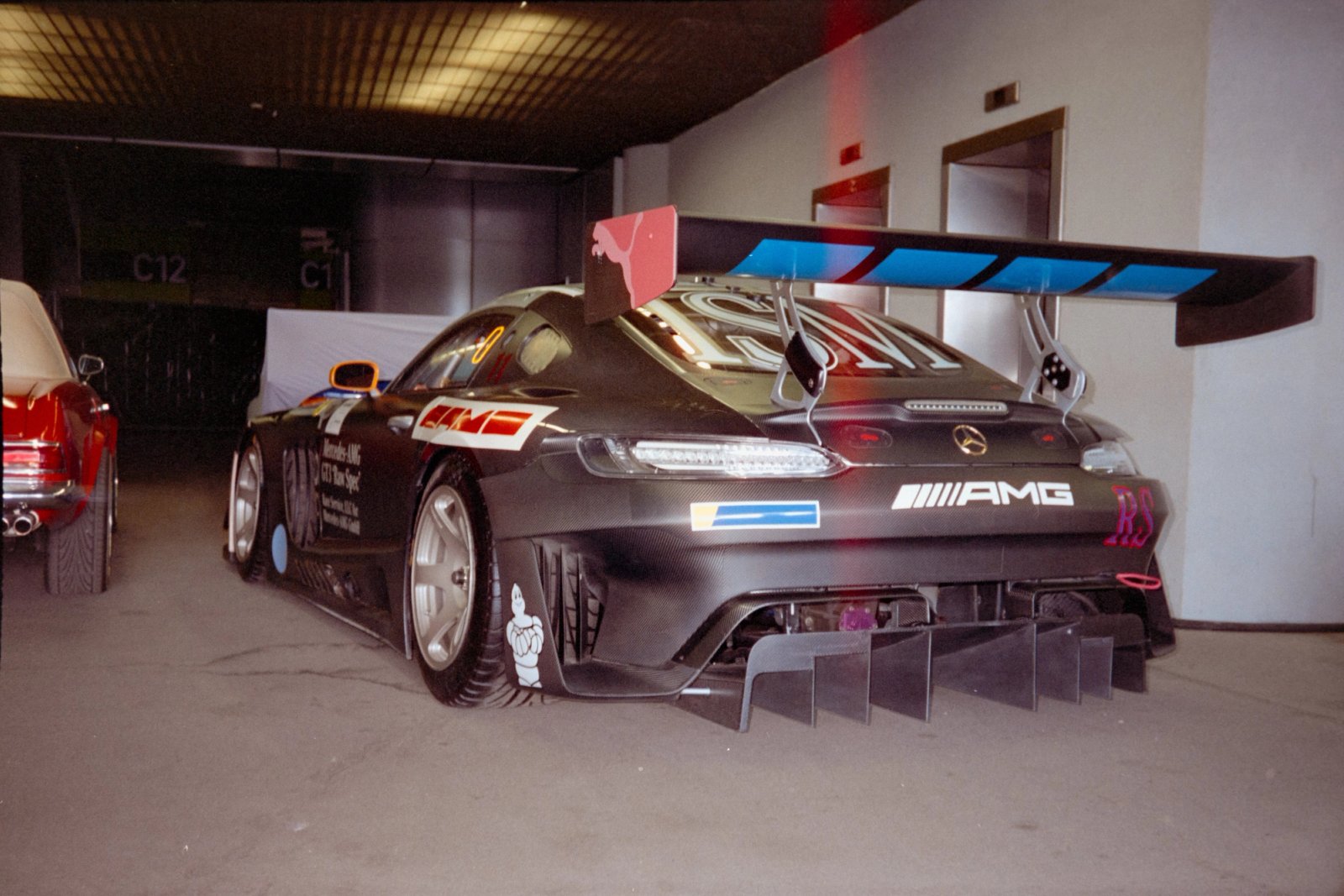
Ultrace has never been an event for a single subculture. A racing legend can end up high-fiving a teenager who dreams of a career in motorsport. This year James Kirkham, head of Race Service, drove in himself in his Mercedes AMG GT3 Raw Spec, a track car.
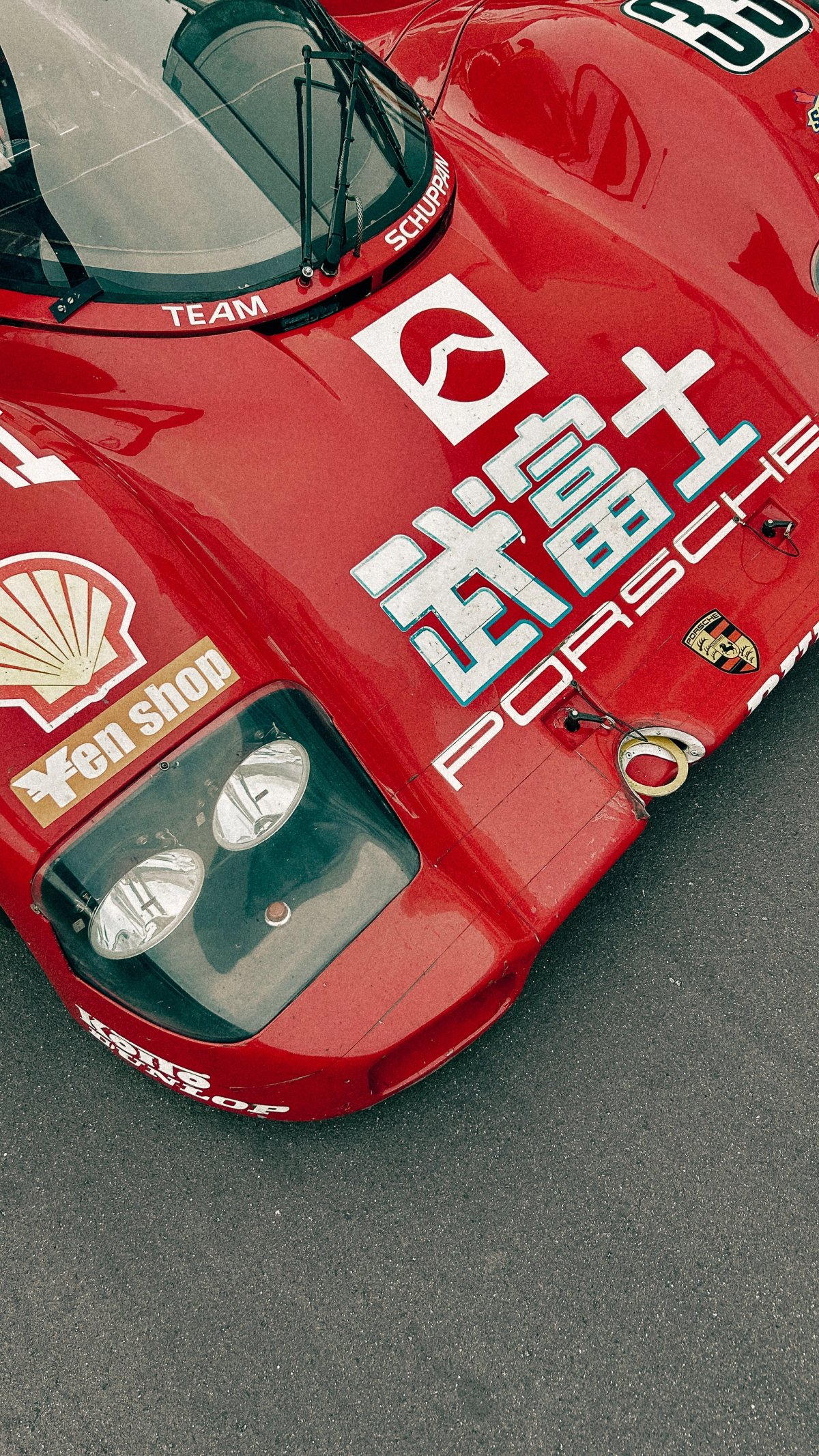
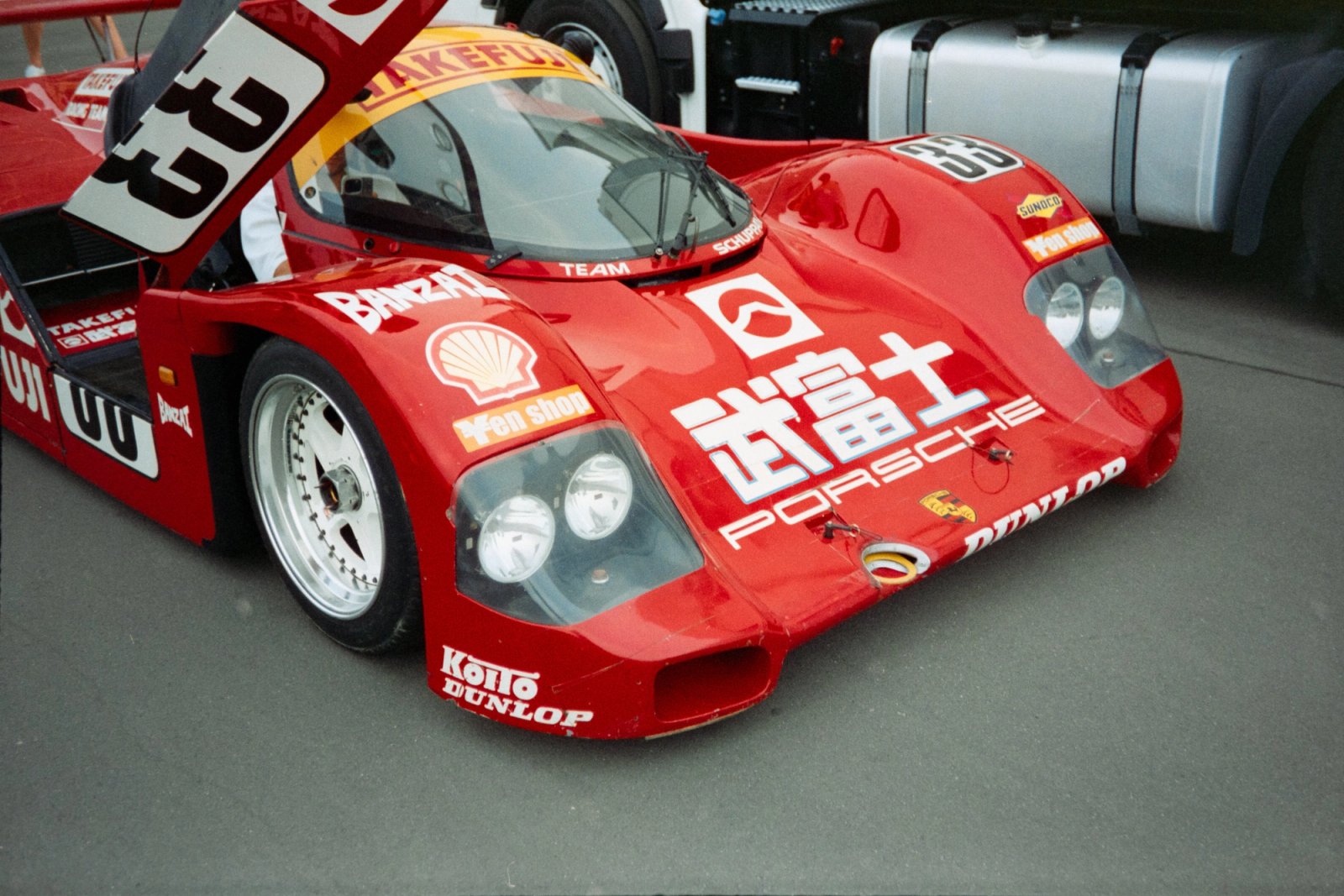
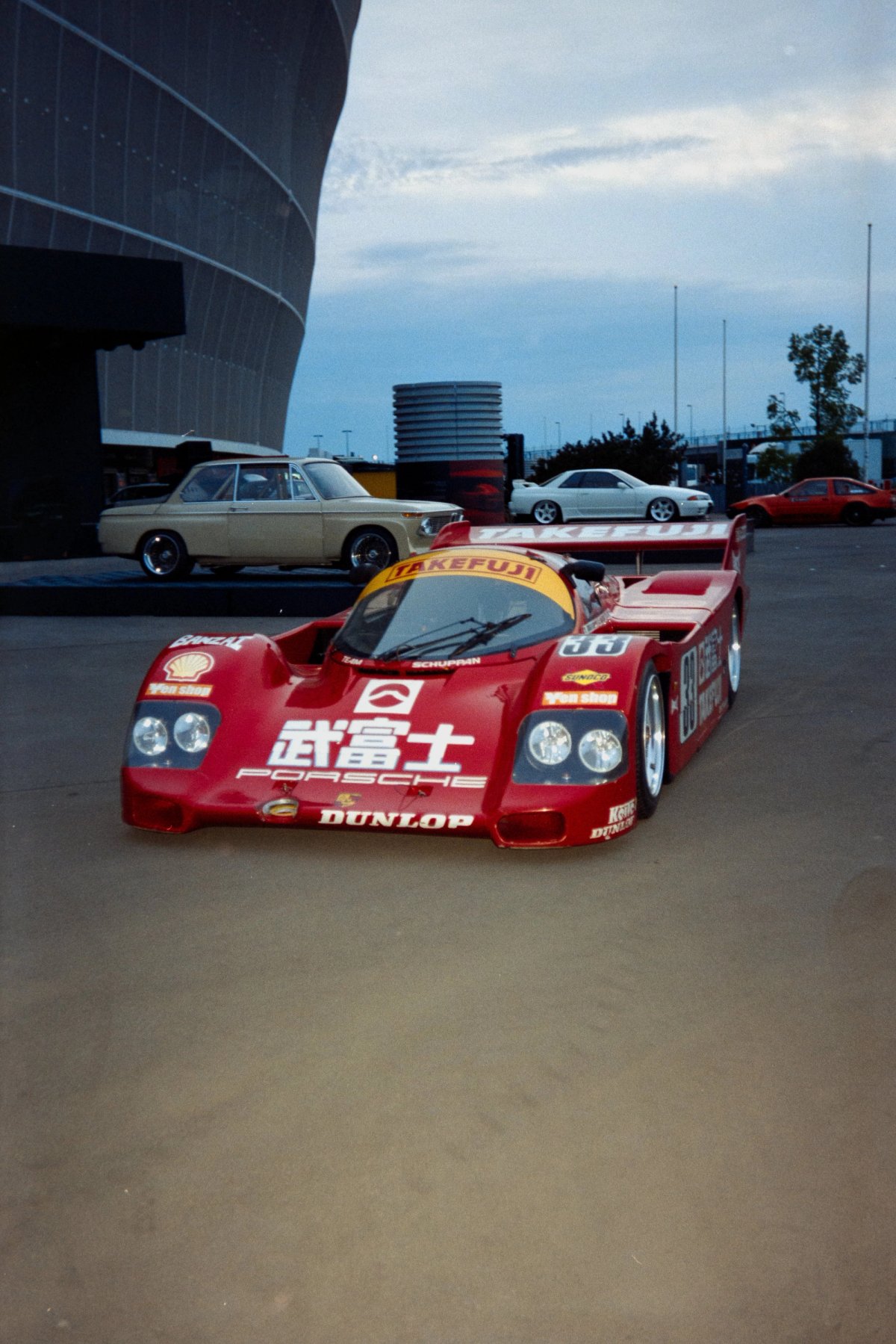
Banzai Collection brought an original Porsche 962C Team Schuppan. The car survived the fire at Le Mans in 1989, was rebuilt, went back to racing and won races in Japan.
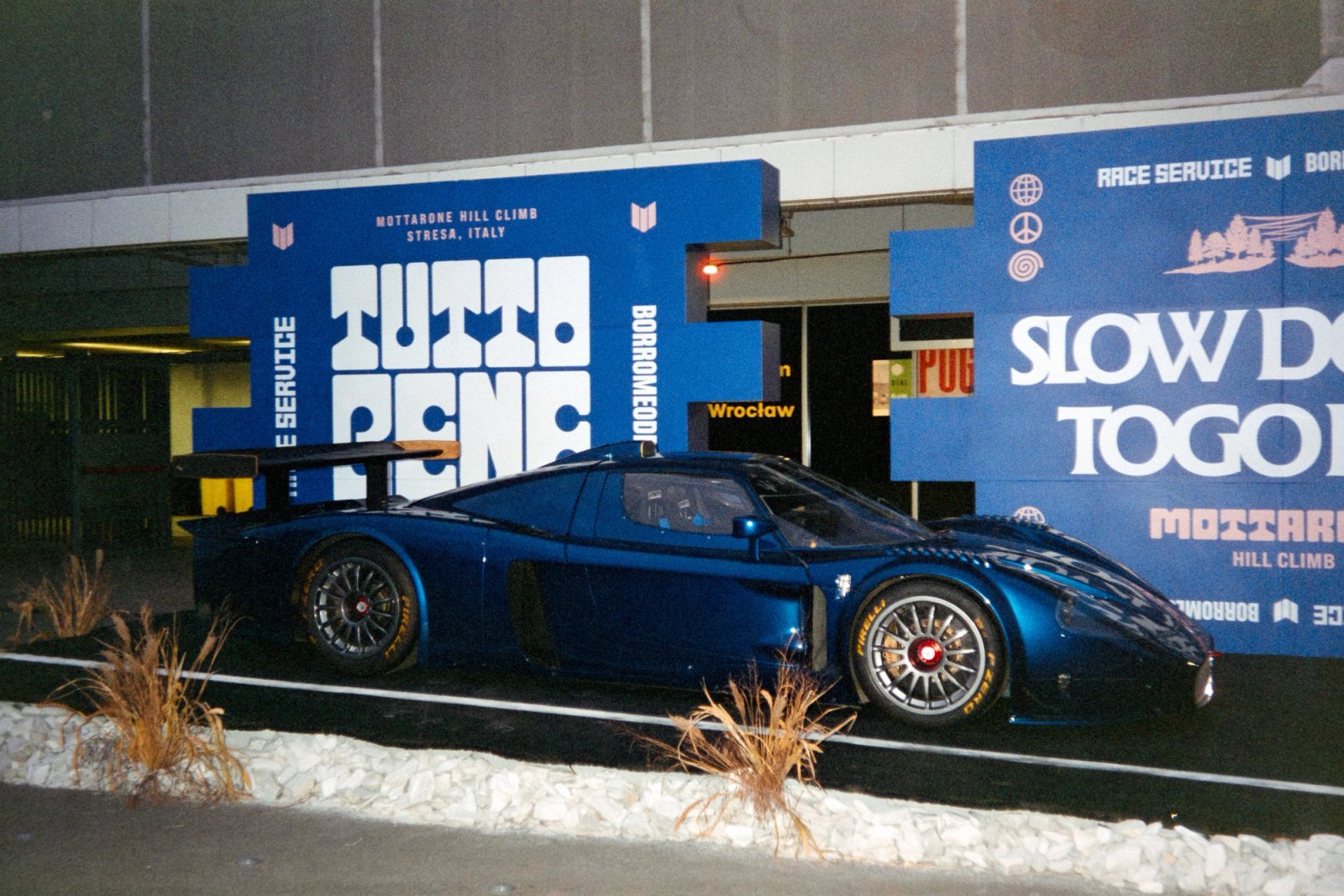
A Maserati MC12 stood at the Tutto Bene stand. Over at HFMSTRS, a crowd of thirty-somethings photographed the E46 M3 GTR Strassenversion with the enthusiasm of children, because a whole generation first met that car in Need for Speed: Most Wanted.
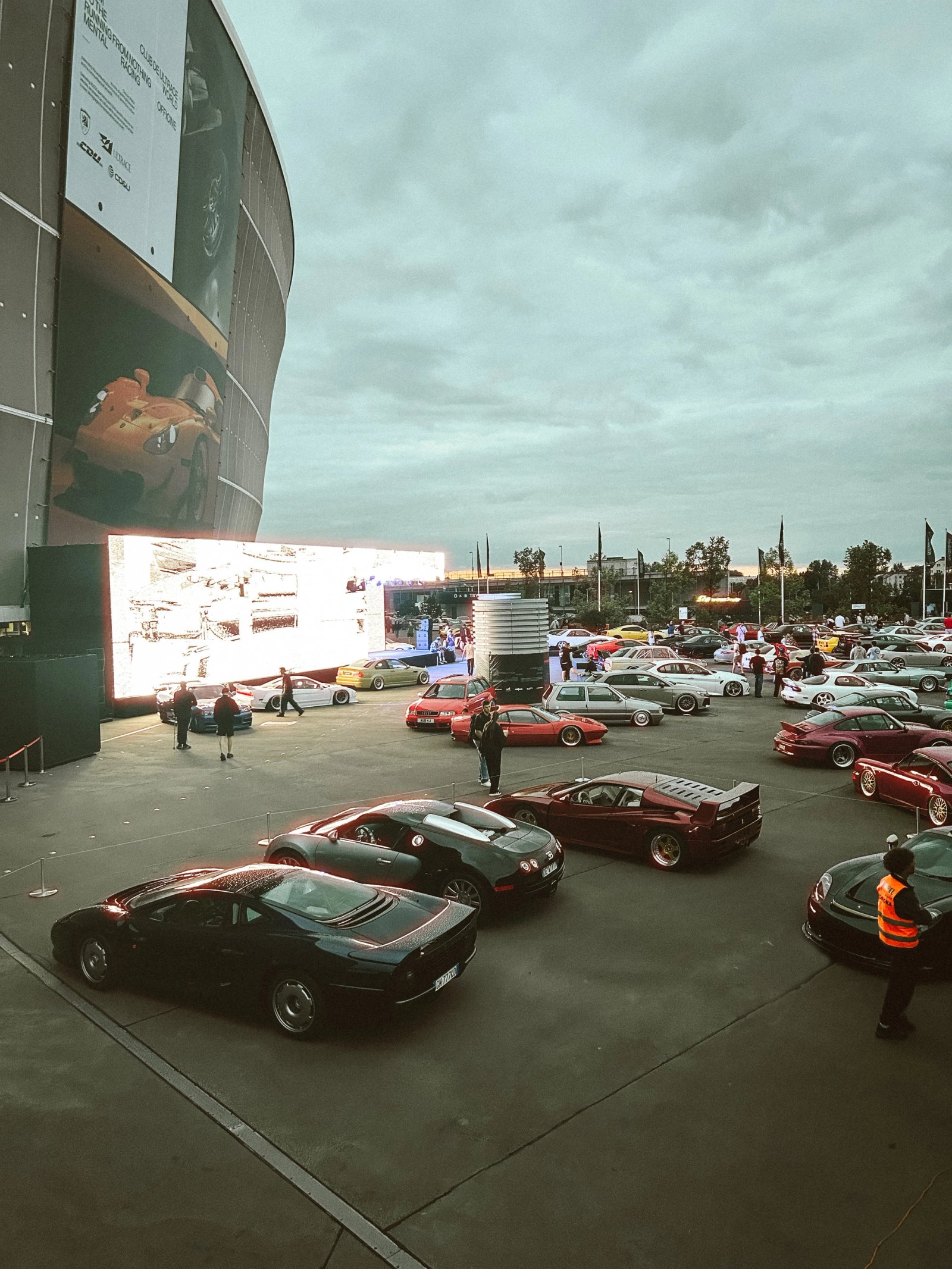
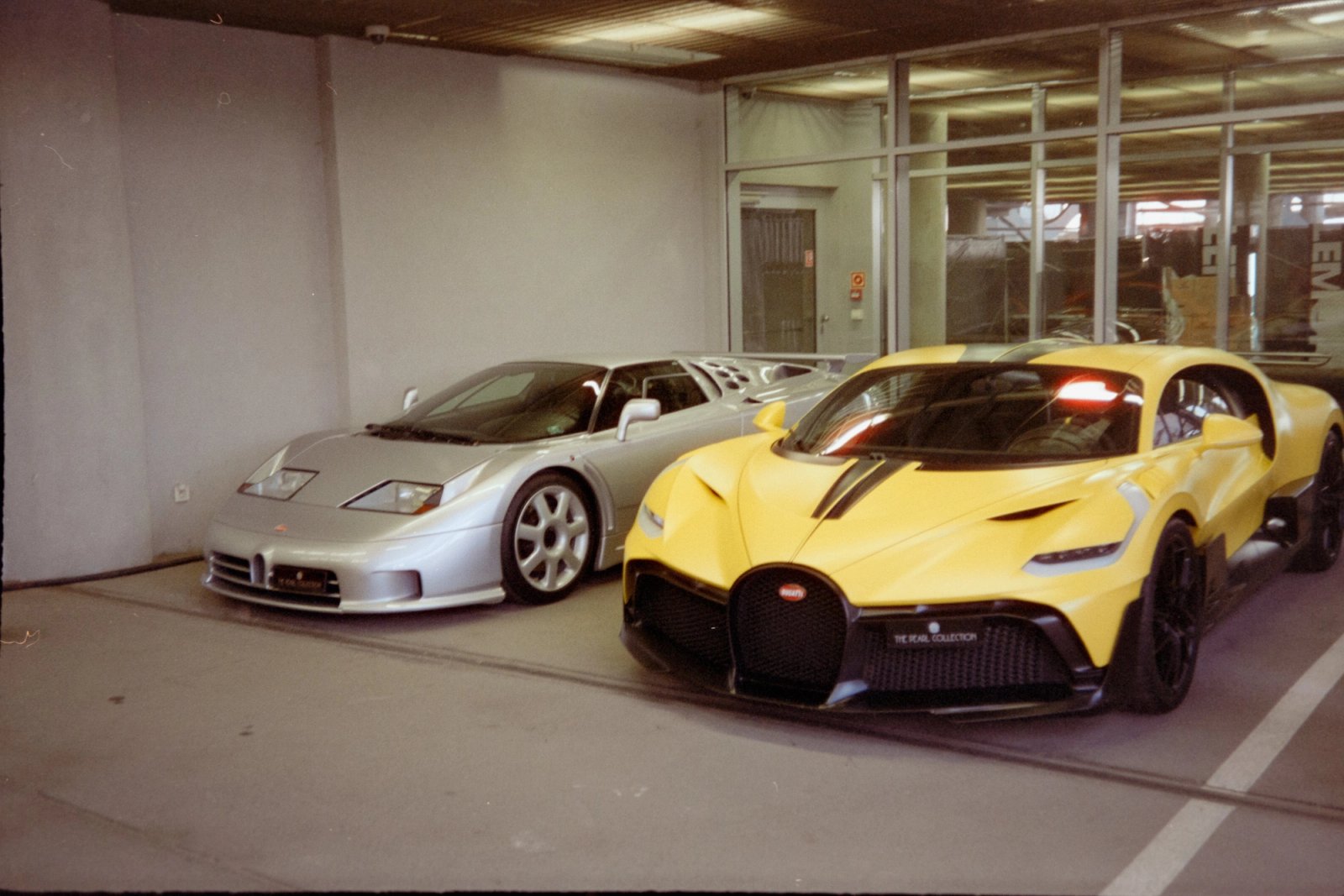
Kazushige Sakamoto of Active Garage came from Japan with his GT-R, prepared down to the last detail. The Pearl Collection brought a Bugatti EB110 Super Sport and a Divo. Only 40 Divos were made, and this was probably the first one ever seen in Poland.
The TWR Supercat, a project Khyzyl Saleem helped design, stood in front of the stage. A Veyron was parked next to a Jaguar XJ220. Ben Collins, the former Stig from Top Gear, was somewhere in the crowd, and Rio Cam, as always, could not resist photographing the models posing beside the most striking cars. For drifting fans there was Adam LZ, the American YouTuber and Formula Drift driver who documents his life with cars, and Arios, who converted his Ferrari Modena for drifting.
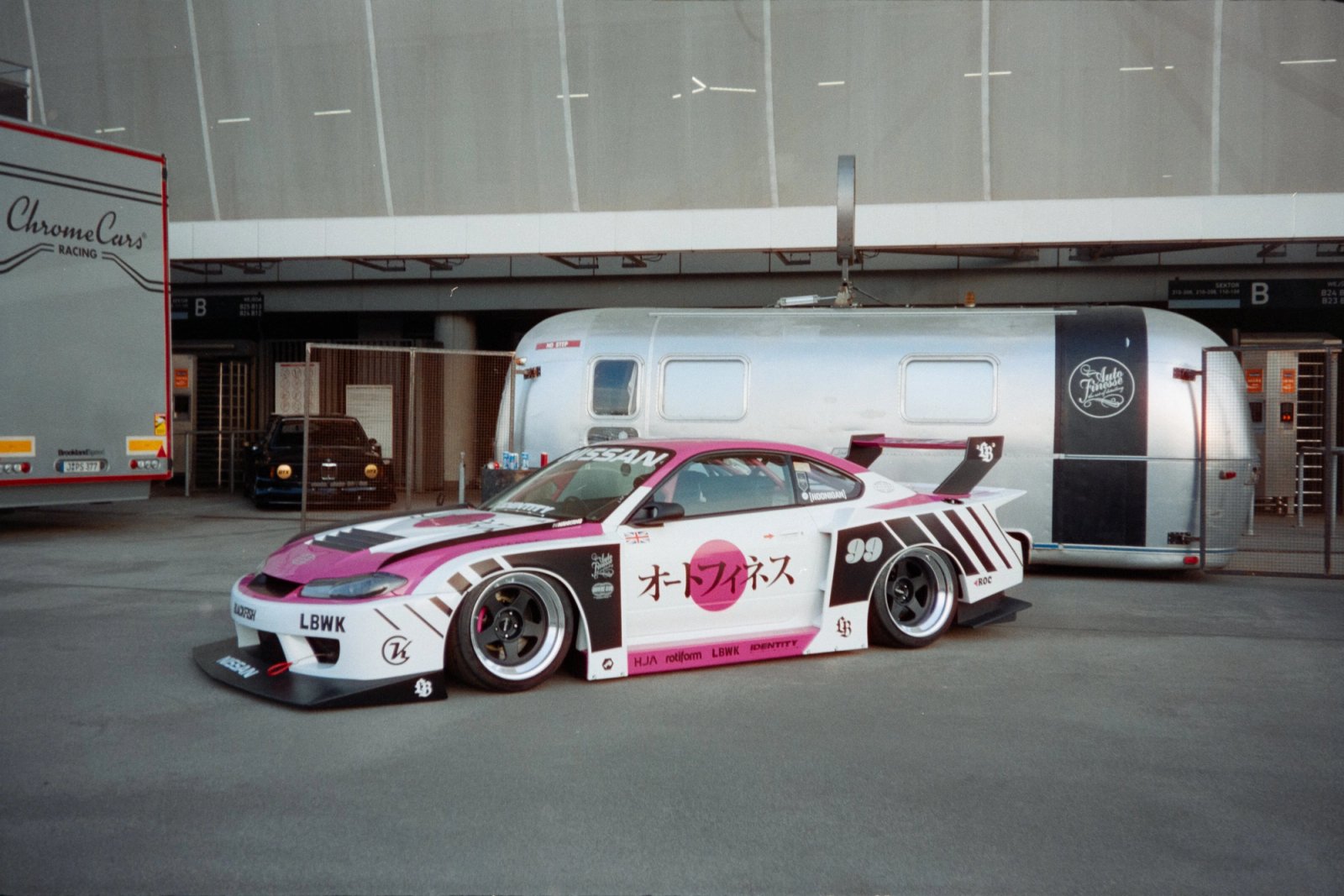
Watching this edition, I saw more and more restomods, classic bodies over modern engineering. Youngtimers from the nineties are turning into sought-after classics, and Group B rally cars are coming out of collectors' garages and onto the street. Owners drive their classics, modify them with respect for the original and treat them as living history.
Friday
Part of what keeps Ultrace growing is the international media. The Speedhunters crew, Mario and Alen, documented every detail. Photographers and filmmakers came from Finland, Austria and Australia because they know something is happening in Wrocław. They carry the stories out of Poland. Their coverage, films and photo features reach millions of fans around the world, and the more they publish, the more people want to show their own projects the following year.
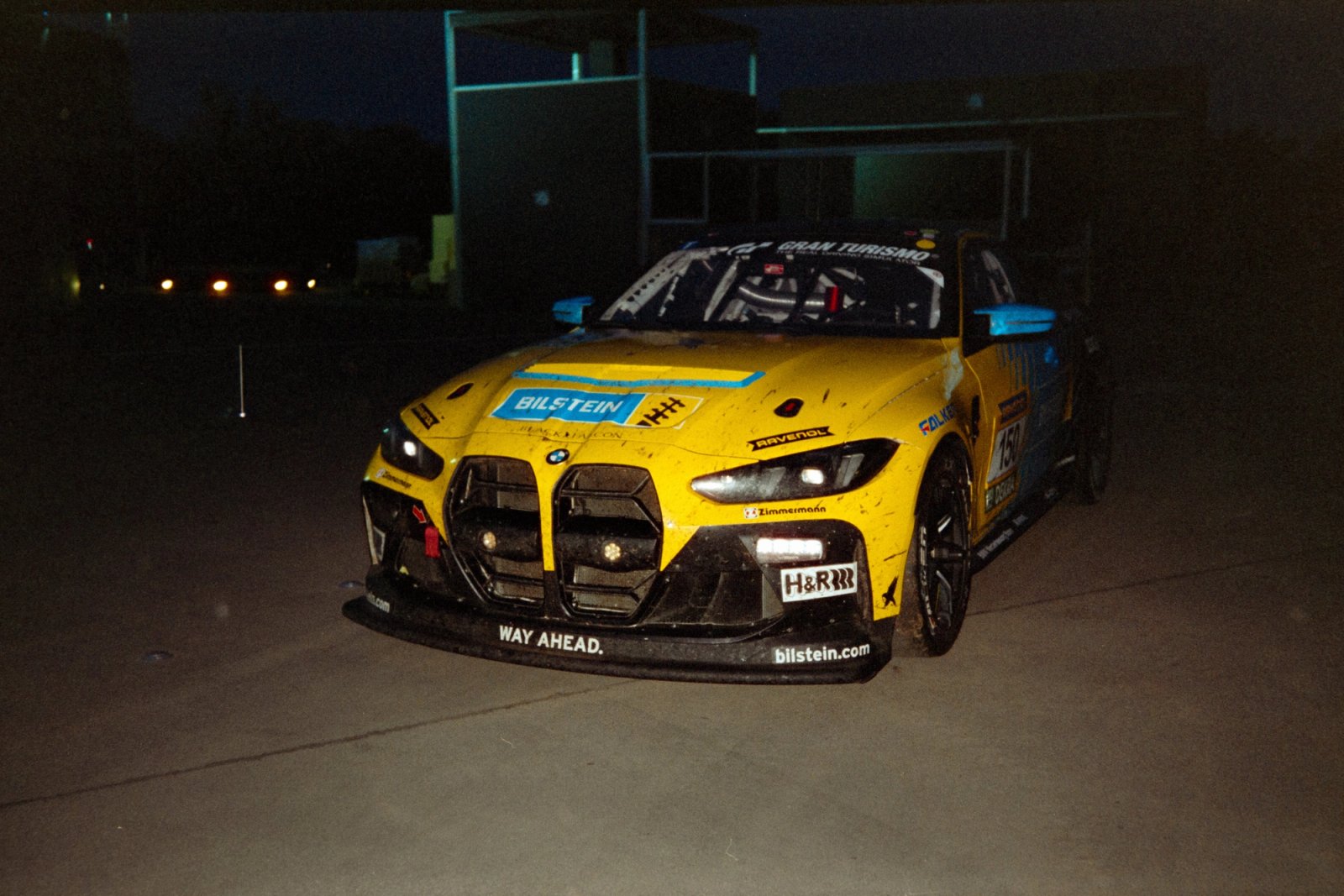
Friday evening is reserved for drivers, media and exhibitors, so there are no crowds and nobody hurries. People stand by the cars in small groups, laughter carries across the esplanade, and conversations last as long as they last. Japanese collectors swap stories with Polish builders, Speedhunters photographers document local projects, and hypercar owners ask about the details of home-made modifications. These are people who meet once a year and talk as if they had seen each other yesterday. That evening, Kazuki Ohashi and Kazushige Sakamoto were leaning over the open bonnet of a GT-R, gesturing and talking through the setup.


