What I Didn't Photograph at Concorso d'Eleganza
First came silence. Not total silence, because there were people around me, conversations, footsteps on gravel, boats on the lake. I mean the kind of silence that happens in your head when you suddenly stop commenting on everything and just look. I stood at Como with a camera in my hand and for a few seconds didn't know what to do. The place I had spent years seeing in other people's photographs was right in front of me. Not as an Instagram post, not as event coverage. It was real. A few meters away.
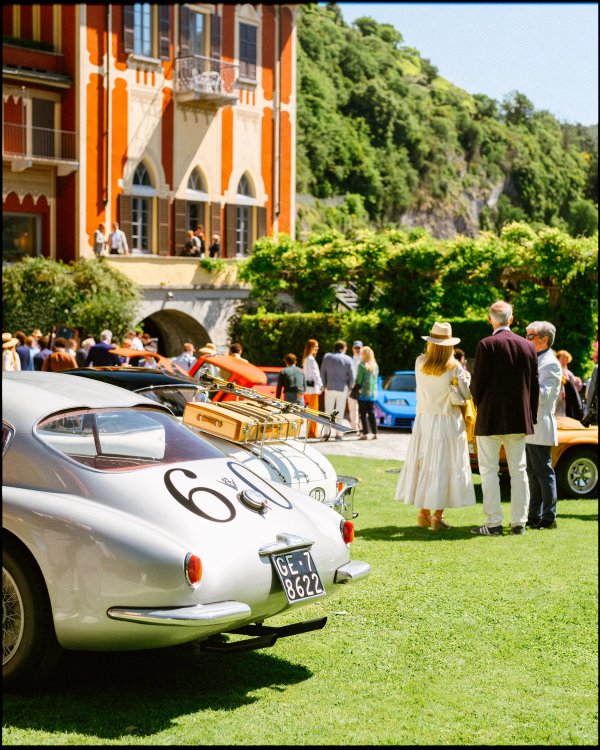
I have been doing automotive photography for about four years. That's a lot, if you count the nights spent culling images, the kilometers driven chasing frames, the people met along the way. It's not much if you end up at Concorso d'Eleganza Villa d'Este, standing next to cars where the word "rare" feels like an understatement. At many of them I didn't really know what I was looking at. I knew the atmosphere of the event, I knew its legend, but I didn't carry a mental catalog of histories, bodies and chassis numbers. Sometimes I had to read the placard and only then try to catch up on what others had known for years.
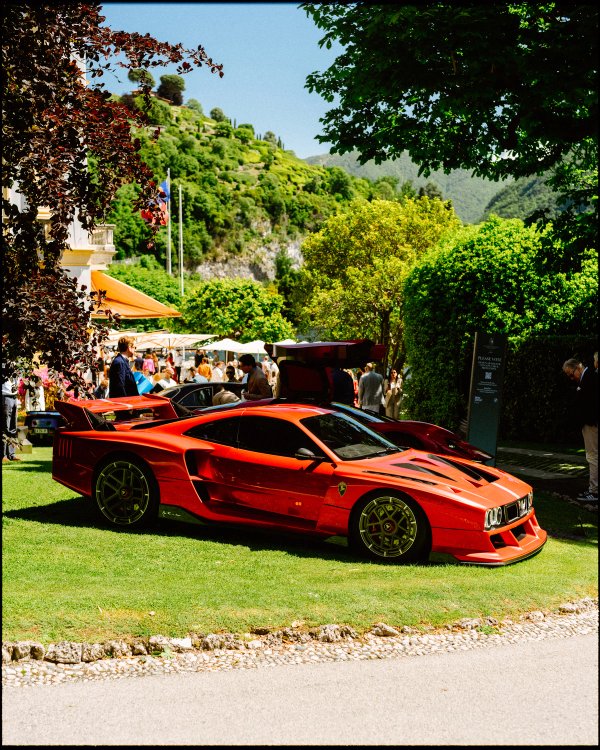
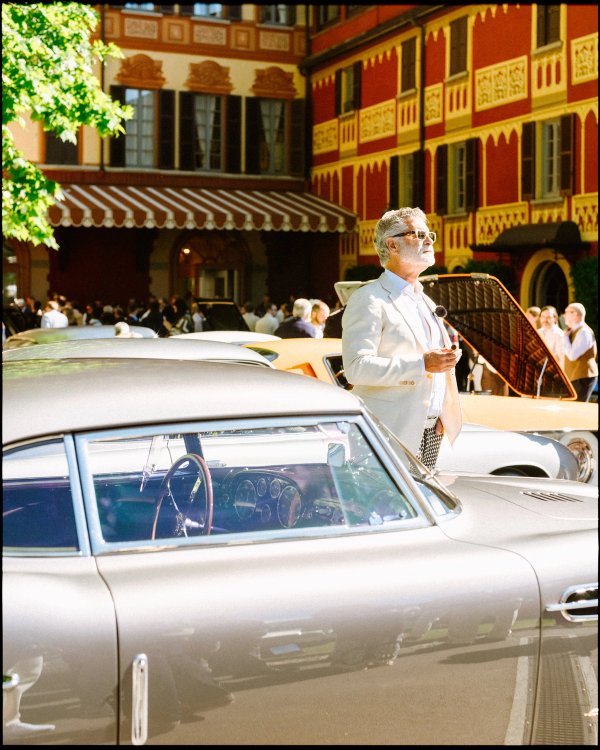
Concorso doesn't look like a regular car event. It looks more like a set someone arranged by a lake and then forgot to mention it wasn't a film. This year's edition, mid-May 2026 in Cernobbio on Como, brought fifty or so cars from around the world, surrounded by a crowd that could itself have posed for the camera. The water reflected the sun, the chrome, the light shirts of the guests. Wooden Riva boats glided across the surface, polished to a degree that they could have parked on the concours lawn themselves. Below the villa's facade, people moved more slowly than usual. Linen, tweed, hats, conversations held at half-volume. Behind it all, the mountains.
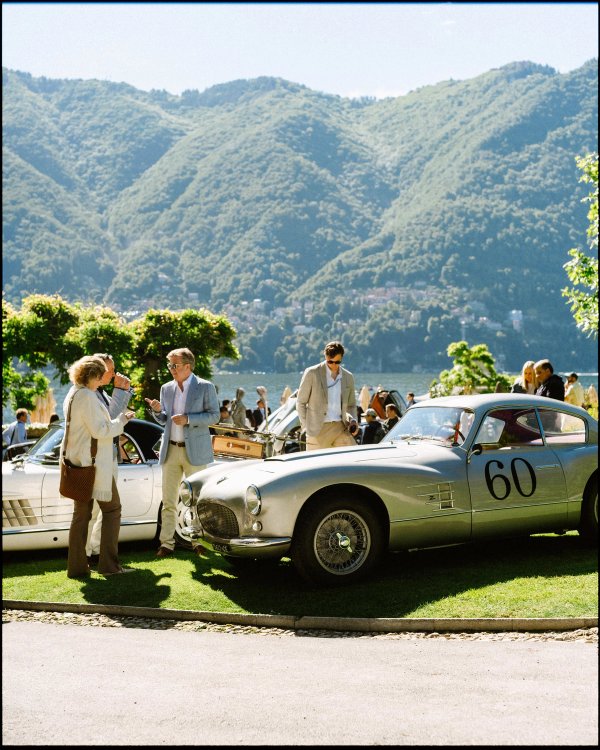
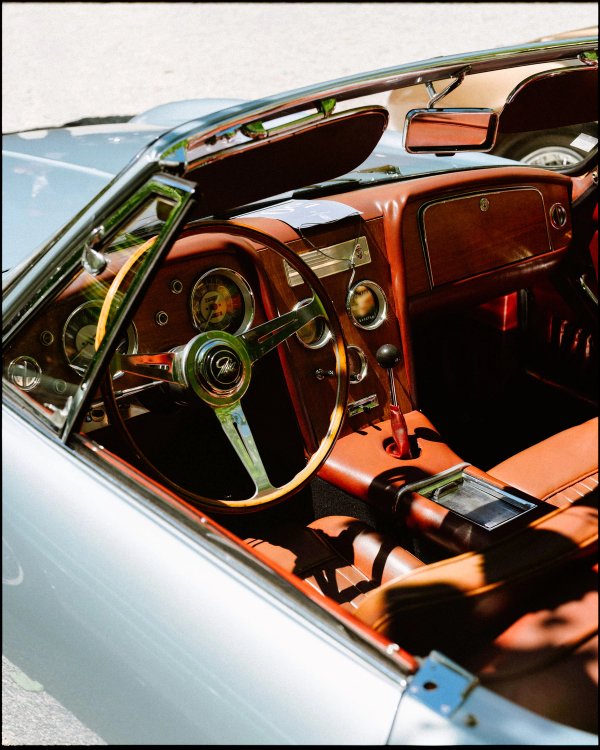
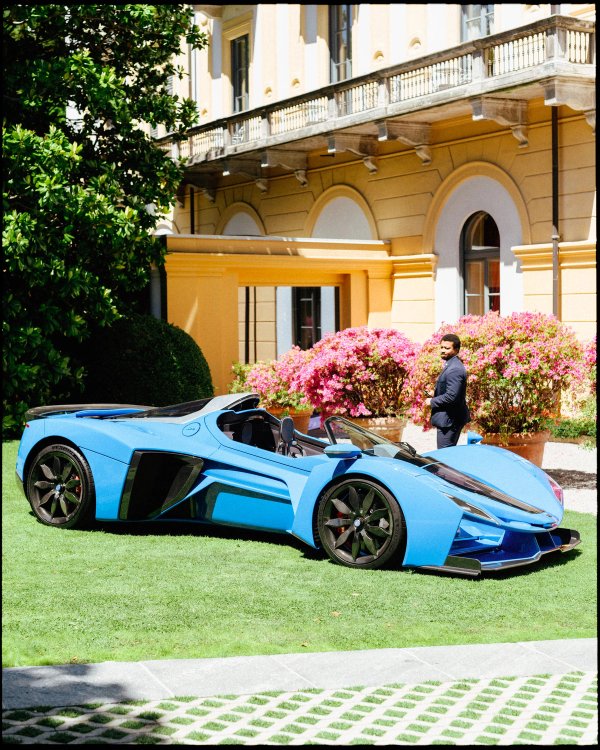
Cars start to read differently in a setting like this. They stop being objects you walk around, photograph and tick off. They become part of the landscape. I lingered longest at the Bugatti Chiron Profilée, the last one-off version of the model. It stood slightly off to one side, against the warm ochre-yellow wall of the villa, next to neatly trimmed greenery. No big crowd, as if someone had parked it there in passing. I couldn't stop looking. Not only because it was a Bugatti. More because the whole picture was absurdly good. The silver body, the Italian villa, the silence, the light. A car normally associated with speed and noise had quietly become something calm.
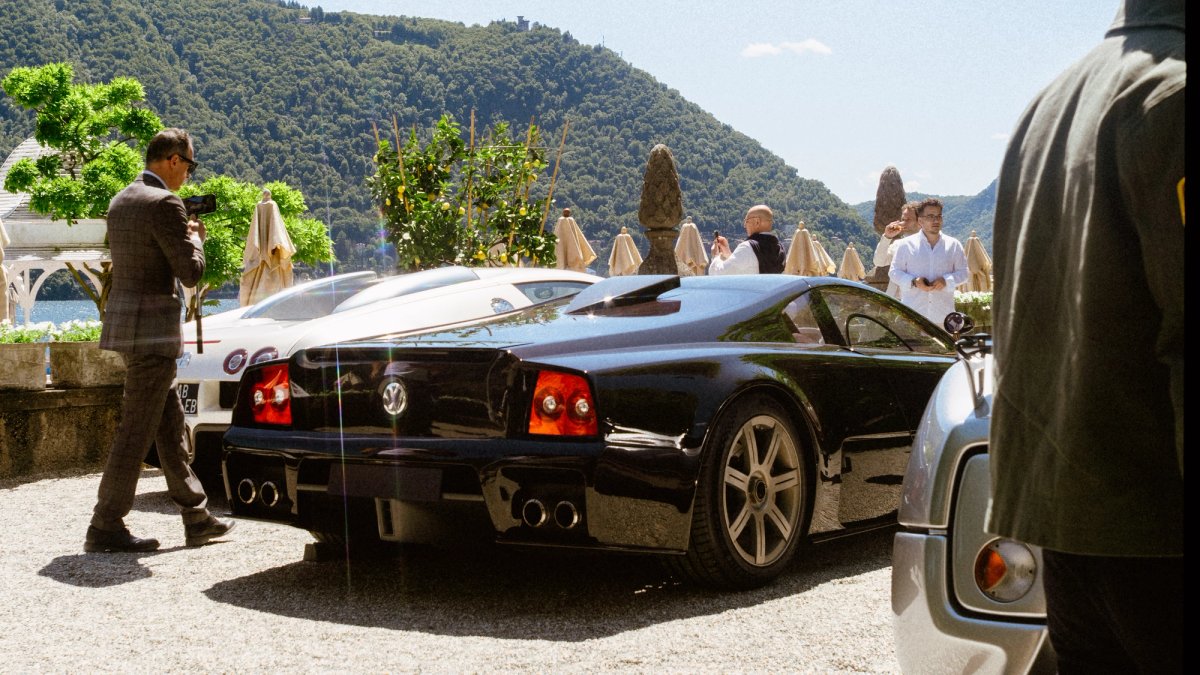
Then I saw the Volkswagen W12 Nardò. And there I really was a kid again. Dark brown, low to the ground, doors that opened upward, an interior in honey leather, a wooden steering wheel. I had no idea this car would stop me in my tracks the way it did. Only later did I read up on its history, learn that this strange record-setting prototype had won its class. On the spot, something simpler mattered. I was standing in front of something that looked like someone's bold idea from an era when manufacturers still allowed themselves strange dreams. And that dream had actually been built.
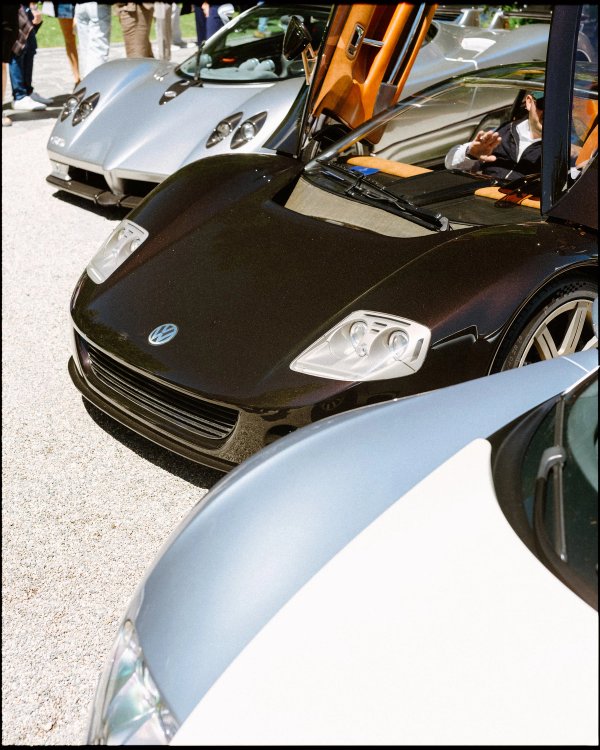
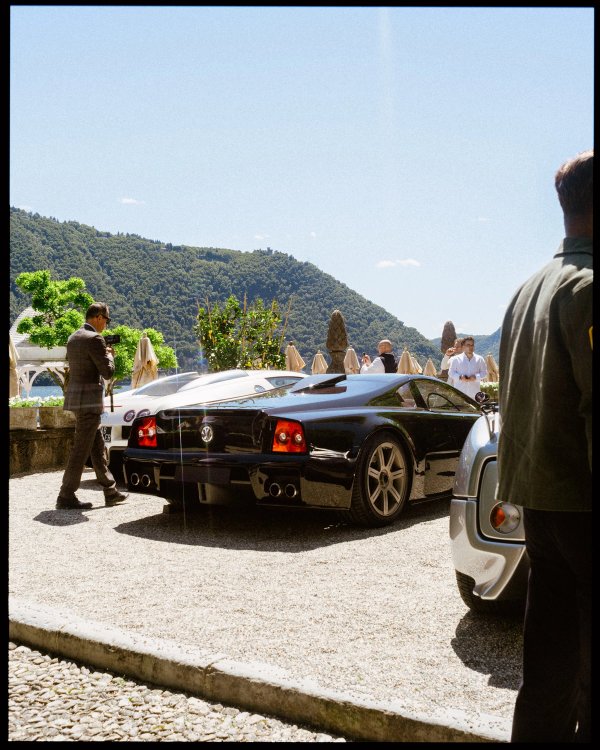
That's how most of the day went. I moved between cars whose histories I didn't know well enough, but I could feel their presence. The long pre-war bodies looked like boats. The Italian coupés carried an elegance no spec sheet could capture. Every so often I caught myself just standing there instead of taking a photo. For a photographer that sounds like a system error. For me, it was probably the most honest reaction I had.
Only after I came back did I match the images to names, and only then did this year's theme, "Future needs Heritage", begin to mean something to me. The jury's top prize went to the BMW 328 Bügelfalte from 1937, a roadster whose beauty comes not from ornament but from proportion and function. The public chose the 1963 Mercedes 300 SL Roadster, one of those icons that needs no introduction. And in the class of cars aging without full restoration, the De Tomaso Mangusta won, because patina is no longer simply the absence of perfect paint. Sometimes it's proof that a car has lived.
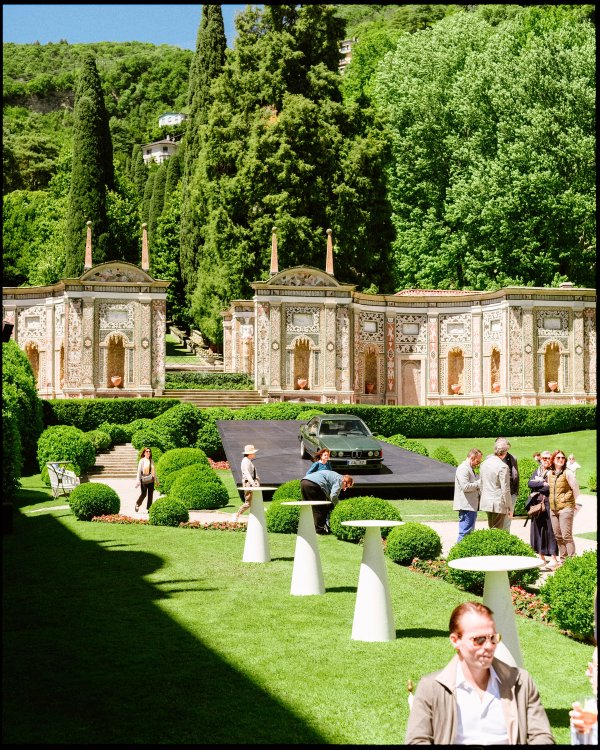
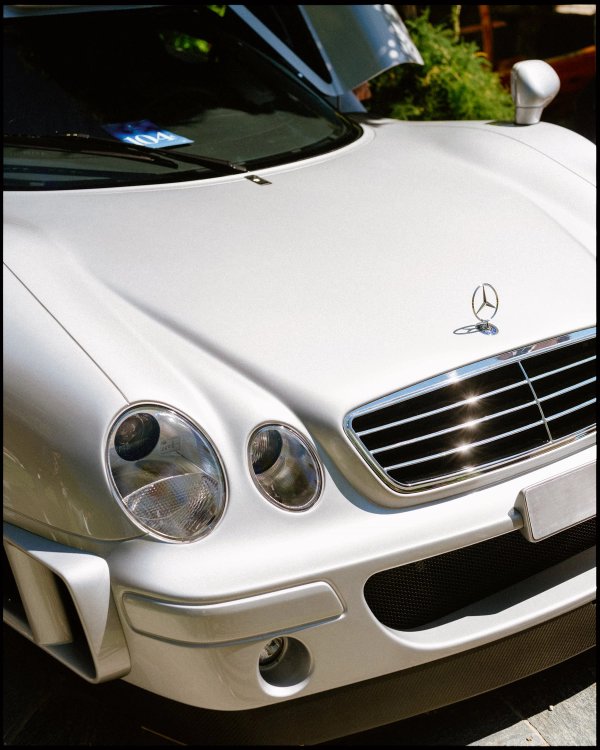
A few steps away, the future was showing up. The Vision BMW Alpina stood in an entirely different language from everything around it, more a preview than a memory. Nearby, a few other sketches of tomorrow, led by the award-winning Kimera K-39. That contrast was one of the strongest things about the whole weekend. On one side, machines decades old that still stop people mid-step. On the other, something still looking for its place. At Como, the future didn't stand against history. It stood beside it and tried to have a conversation.
At some point it hit me that I didn't want to take as many photographs as I had planned. That doesn't mean I stopped shooting. I just stopped hunting. I didn't want to push for every frame, wait nervously for someone to step out of the background, or pretend that everything had to immediately turn into content. It was too beautiful to treat purely as work. For a moment I wanted to be part of the picture and not just the person recording it.
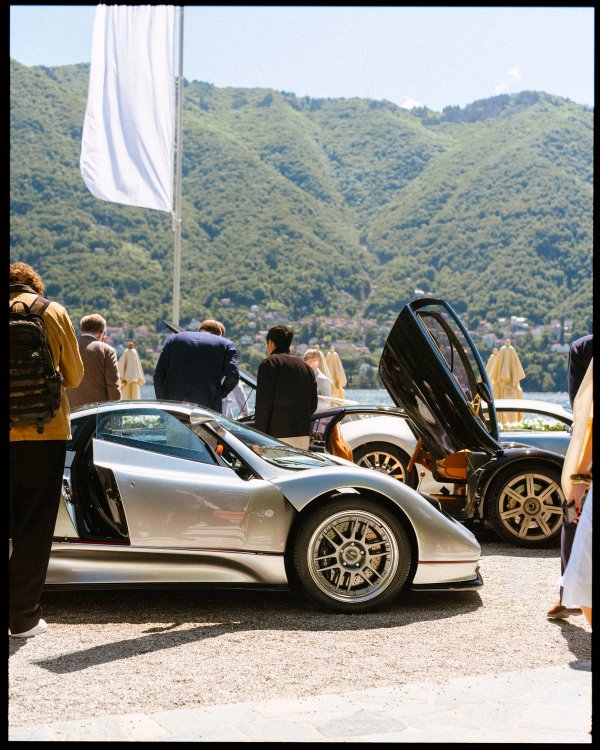
And that was harder than I thought. When you make photographs, you quickly learn to measure things by outcome: is the frame strong, did the light land, will anyone remember it. Even in a place you've dreamed of, a voice at the back of your head tells you to do more. A better shot. A different angle. One more lap. I talked about it with Kamil Koźlarek, about the drive to keep improving, about how you do something well and a second later you're already thinking it could have come out better. That conversation hit exactly what I had been carrying through the whole trip. I was standing inside one of the biggest automotive dreams I'd ever had, and still I caught myself asking: is this it? Is this really happening? Fulfillment sometimes arrives quietly, and only later do you realize you were supposed to notice it.
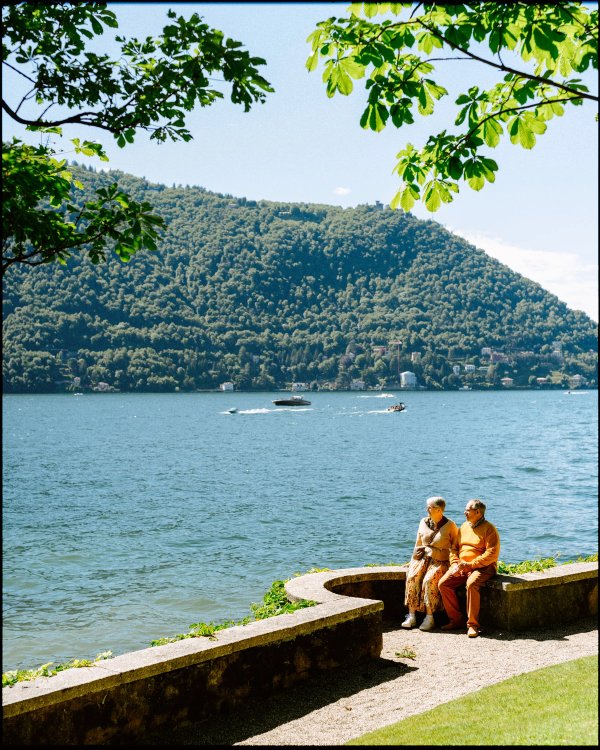
So I started looking wider. At people, not only at cars. At gestures, not only at details. My favorite photograph from this trip doesn't have a car in it at all. It shows an older couple on a stone wall right by the lake. They sit, look at the water and simply take the moment in. In the background, a mountain, a boat, leaves above their heads. No spectacle, no concours winner. And yet when I saw them, I thought they already knew something I was still learning. That sometimes the most important thing is to sit down and not try to squeeze more out of a moment than it offers.
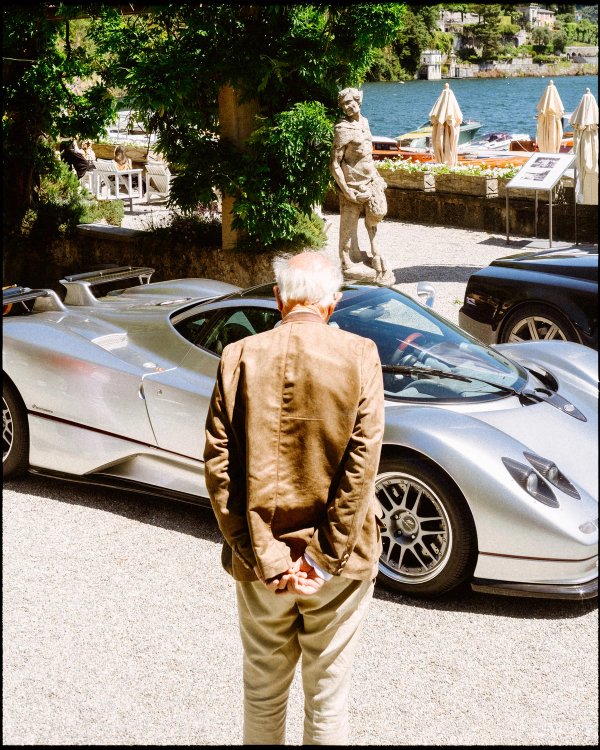
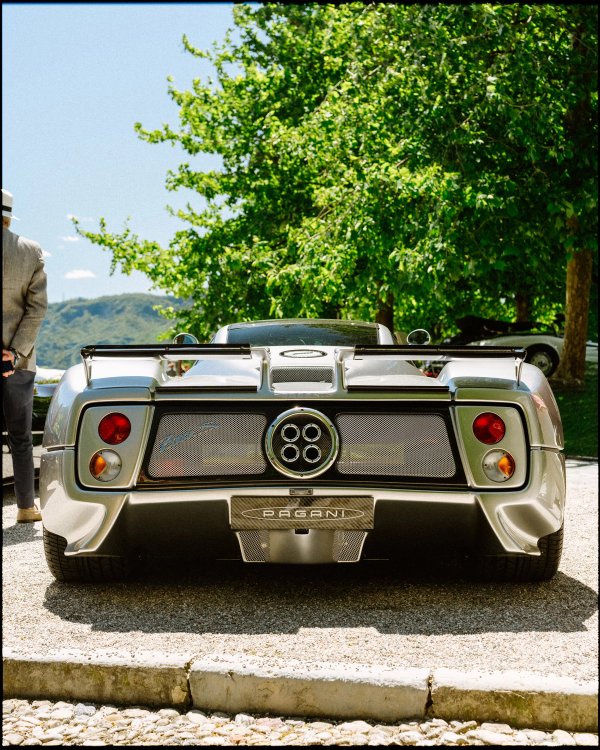
The other picture that stayed with me most is an older gentleman next to a silver Pagani Zonda. Beige jacket, hands clasped behind his back, head slightly bowed. Behind him, boats, a stone statue, the lake. All around, the full pageantry of the event, and in the middle of it a single very quiet scene. I looked at him and felt I wasn't photographing the car. I was photographing a way of looking.
Maybe that's what my first time at Concorso turned out to be. Not a lesson in automotive history, although I probably should have come away with more names and dates. Not a series of perfect frames, even though it was photography that brought me there. More an encounter with something that until then had existed only as an image. A place that turned out to be more beautiful, but also more human, than I had imagined. People drawn to the same points on the map by the same passion. And my own lack of knowledge, which, instead of getting in the way, let me take it all in from scratch.
I came back with the feeling that photography is what got me there, but not so I could spend the whole time hiding behind the camera. A camera can open a door, but it doesn't have to stand between you and what's behind it. Sometimes you can lower it. Look. Give yourself a moment. That, I think, is why this day will stay with me longer than many of the frames I took.