
Operation: Unimog
On a Wednesday evening, Daniel and Michał got to talking about Land Rovers. Daniel already had his, a Series III. Michał was thinking about buying a 4x4.
"I'm browsing listings and looking for something 4x4, thinking about a project car... maybe a Unimog?" Michał said.
"Well... there is this one..." Daniel replied.
Daniel has always had a soft spot for unique vehicles with patina. He regularly trawls Scandinavian classified sites for interesting cars, and he had owned a Unimog once before. The one he meant that evening stood in the middle of Norway, near Trondheim. They negotiated the price the same night and looked up flights from Gdańsk to Trondheim, which cost less than a taxi from Piotrkowska Street to the train station in Łódź. They bought the tickets.
Trondheim
The weather app promised four degrees and sunshine in Trondheim. It was February, and from the aeroplane window they could see nothing but ice and white. They inspected the Unimog outdoors, and it was in the condition the seller had described in the listing.
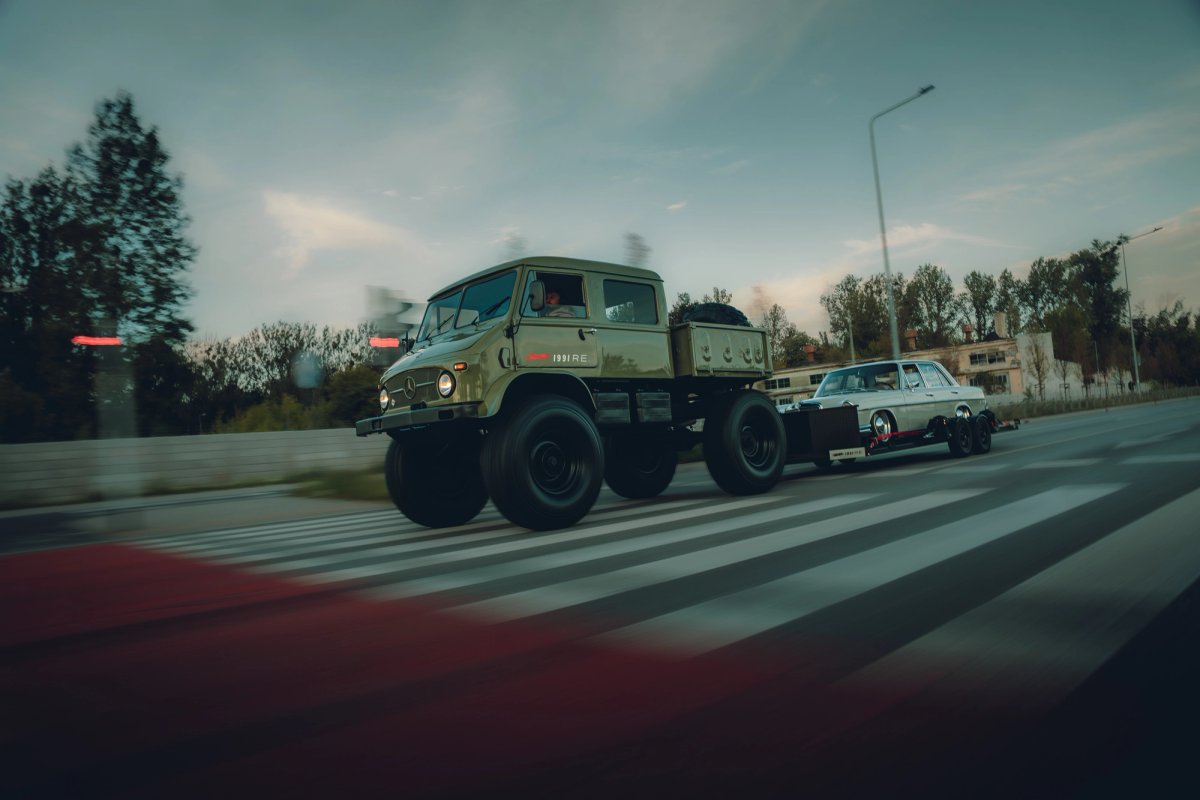
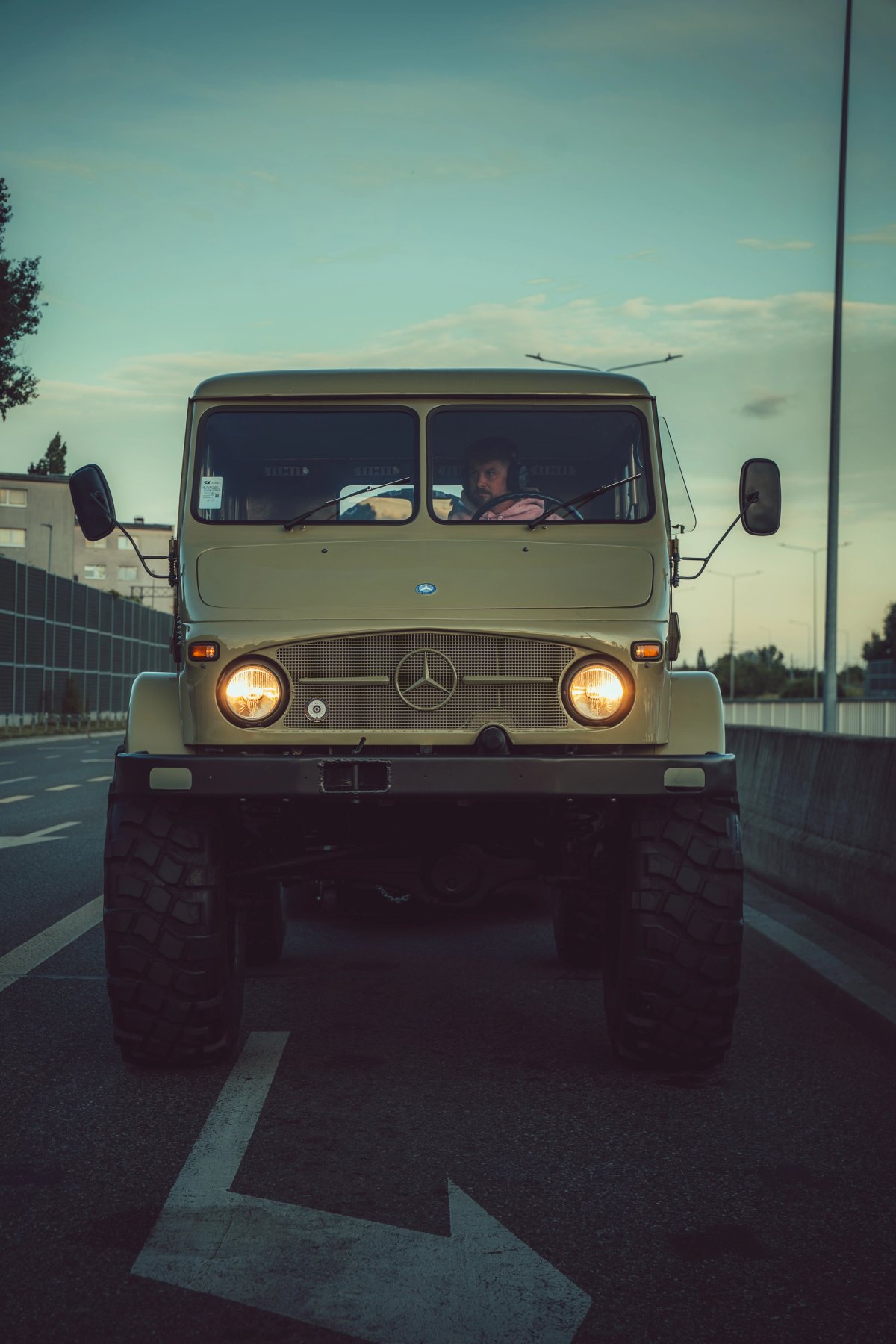
The truck was a 1970 Unimog 404 S Doka. Doka is short for Doppelkabine, a double cab, which makes this version rare and sought after by collectors. One with a hardtop and the long cab is a real find. Under the bonnet sat a 2.2-litre petrol engine making 82 horsepower. That is not much by today's standards, but the torque and the design let the truck get over almost any obstacle off-road. Mercedes-Benz built the 404 from 1955 to 1980, and for a quarter of a century it worked for the German army, for emergency services, in forestry and on farms around the world. It counts among the most important designs in the history of off-road vehicles, built on a ladder frame with portal axles front and rear for enormous ground clearance, and able to carry a long list of attachments.
"Can we drive this back to Poland on its wheels?" Michał asked after the test drive.
"Of course we can," Daniel assured him.
At that moment the fuel tank began to drip. The Unimog carries two sixty-litre tanks joined at the top by a rubber hose, and the hose had perished. It was a weekend and the shops were closed. They spent hours driving from shop to shop with the seller, looking for a replacement part, about a hundred kilometres in all, until a friend of the seller's opened his workshop for them. There they patched the tank well enough for the truck to move, and Michał became the proud owner of a Unimog.
Scandinavian flick
The return journey was gruelling. The front tyres had almost no tread left, and the truck was running in rear-wheel drive only. Ahead lay mountains, winding roads and plateaus covered in ice, and a whole night of driving to make the ferry to Świnoujście. Somewhere along the way, wild moose ran across the road.
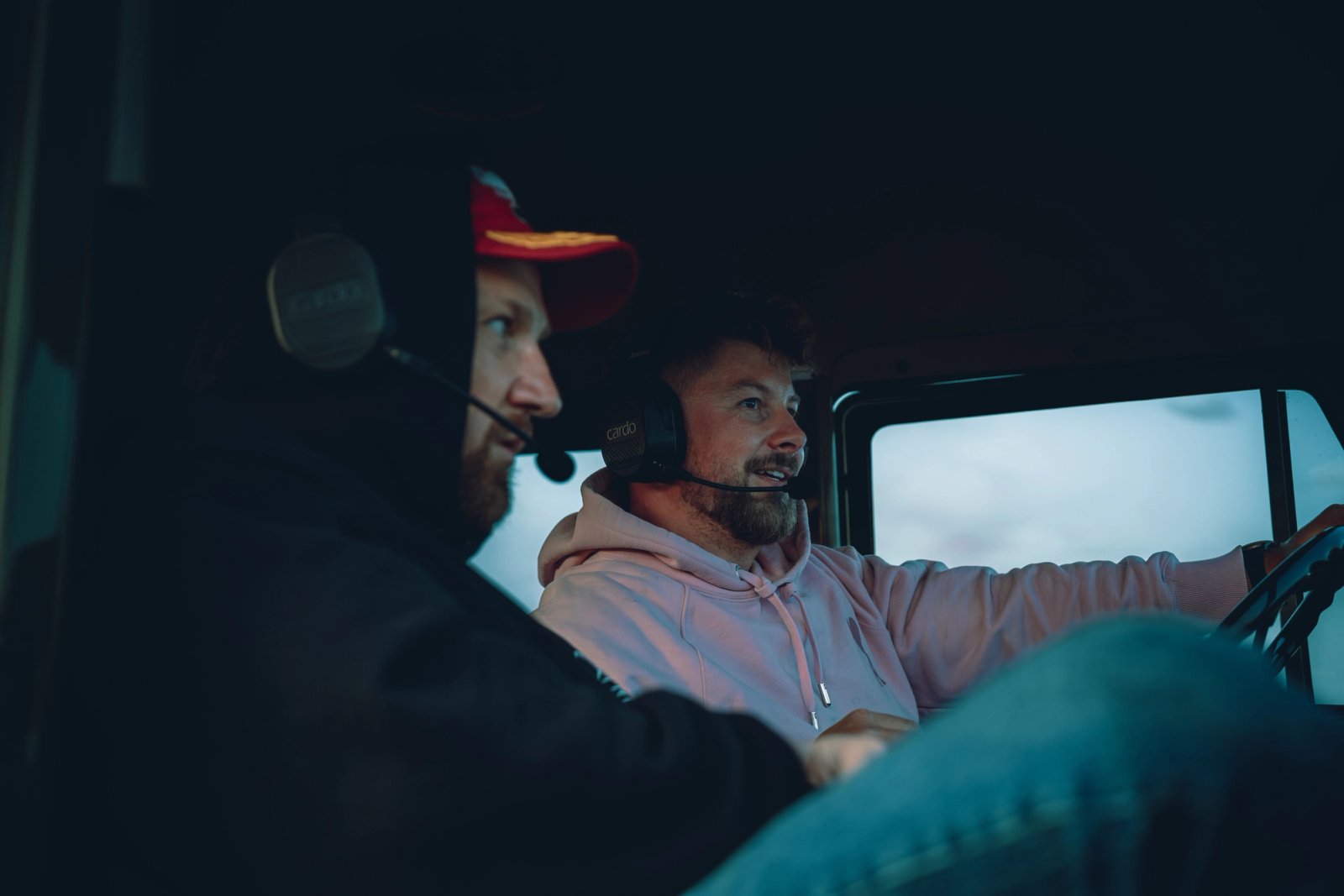
The first slide came early in the morning, around six or seven. On a bend Michał gently lifted off the throttle and the truck went sideways. It was a real, proper drift, Daniel says. After that neither of them needed coffee. The second came just as suddenly and pushed the adrenaline higher still. This time they ploughed into a snowdrift, and only by engaging four-wheel drive did they get out.
Conditions were extreme even by Norwegian standards. The 404 was designed as a universal vehicle, but its high centre of gravity, an advantage off-road, becomes a liability on ice.
"We drove practically half of Norway with four-wheel drive engaged, because on bald tyres there was simply no other way," Daniel says.
Further on, the road had been washed out and its surface torn away. At a checkpoint a policewoman came out to tell them it would not be passable for another week. The only alternative was a mountain pass, one "for the very brave." Daniel and Michał looked at each other and took the pass. The Unimog got them over it.
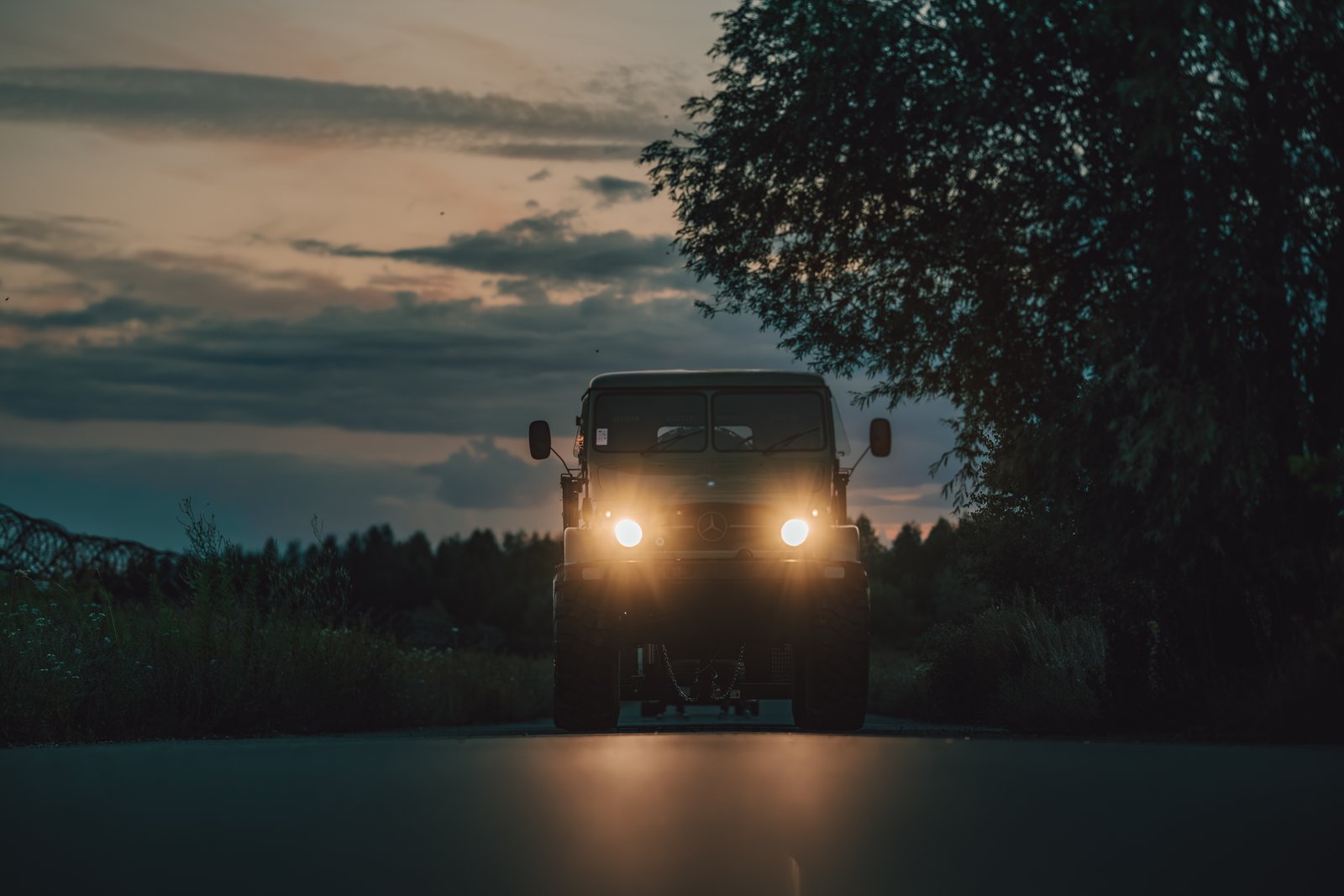
In Świnoujście they drove off the ferry and went to Międzyzdroje for something to eat. When they came back to the Unimog around four in the afternoon, it would not start.
"Maybe I left the lights on?" Michał wondered.
The problem was serious. The truck runs on 24 volts, and finding anyone with a booster for that is next to impossible. They called a local shop, and the owner sent them to a friend who drove a taxi. For a few hundred złoty he jump-started the Unimog. Back on the road, something began to smell. It was raining, so the wipers were on, and so was the heater, which barely heated at all. Every gap in the cab had been sealed with tape bought along the way.
The alternator had burned out. They kept going while there was daylight, but after an hour and a half it began to get dark. February days are short. The Unimog was rolling down the motorway with no lights, practically invisible, and oncoming drivers were already flashing at them. It covered the last kilometres to Łódź on a flatbed.
1991Rework
Daniel, Michał and a third friend, Marceli, had each been part of the scene for a long time and had proven they knew cars. In April 2025, two months after buying the Mercedes in Norway, the three of them founded 1991Rework, a place for genuine car enthusiasts.
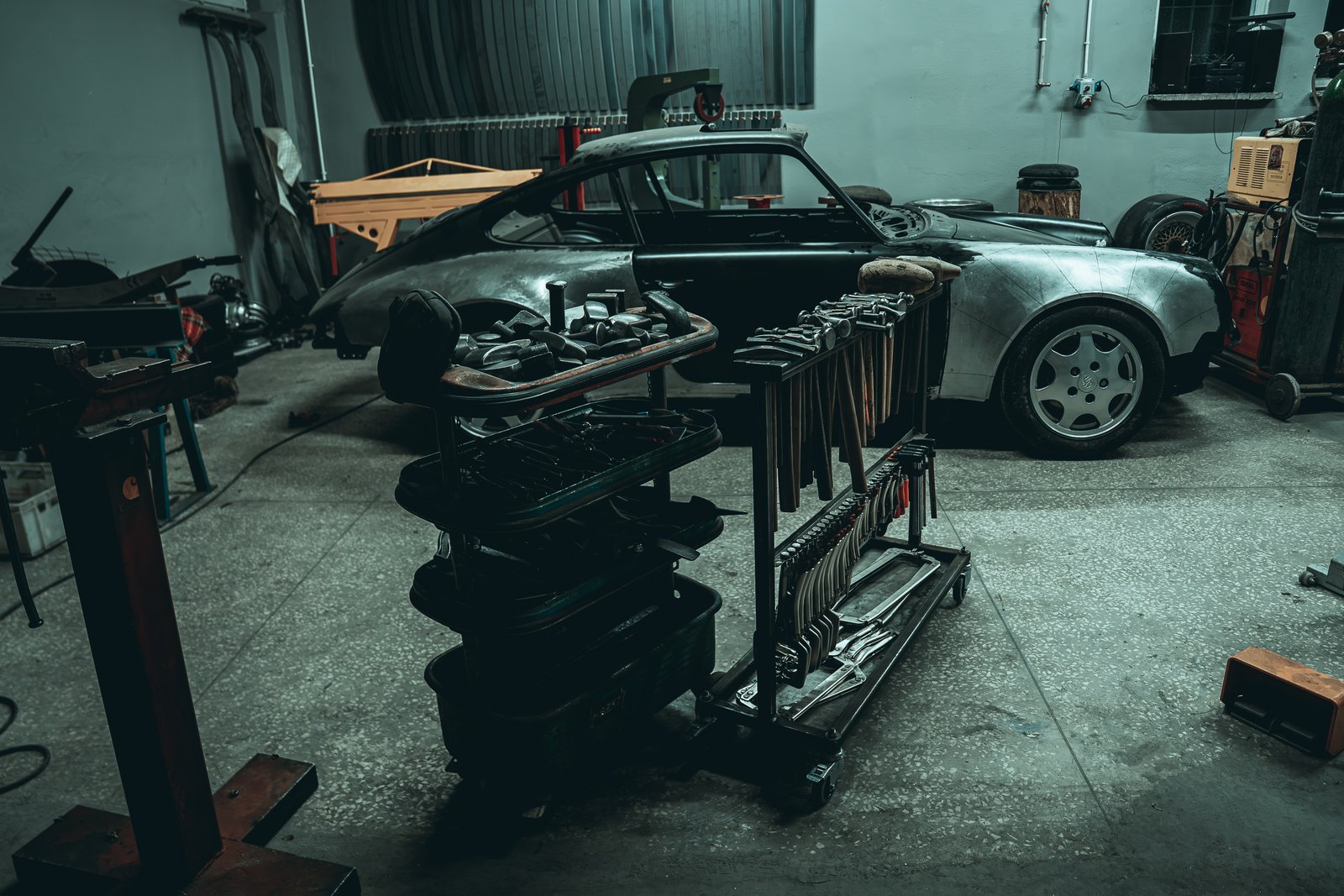
The crew now numbers more than a dozen specialists, among them experienced metalworkers and upholsterers. They have a full technical facility and no shortage of ideas. Their aim is to help owners of classic cars, and of other cars too, take their dream projects to a world-class level, and to build cars that can represent the Polish scene abroad.
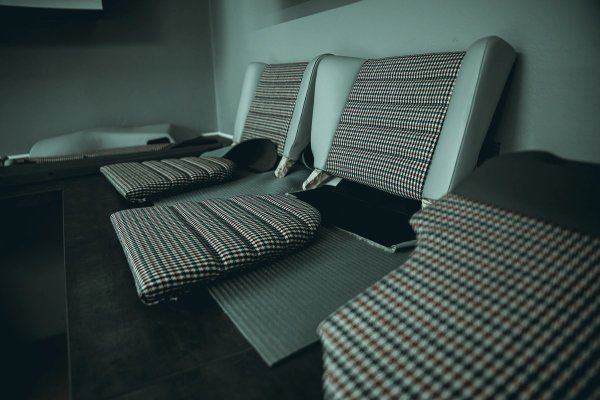
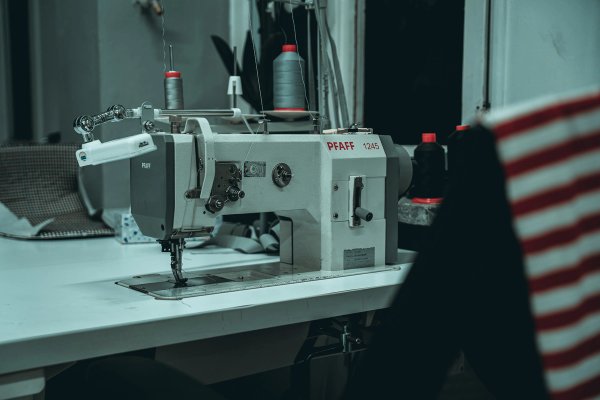
Several other projects are already waiting in the workshop. Next year they plan to bring something new to Ultrace, to show that the Polish car scene has a great deal to offer the world.
Two days before Ultrace
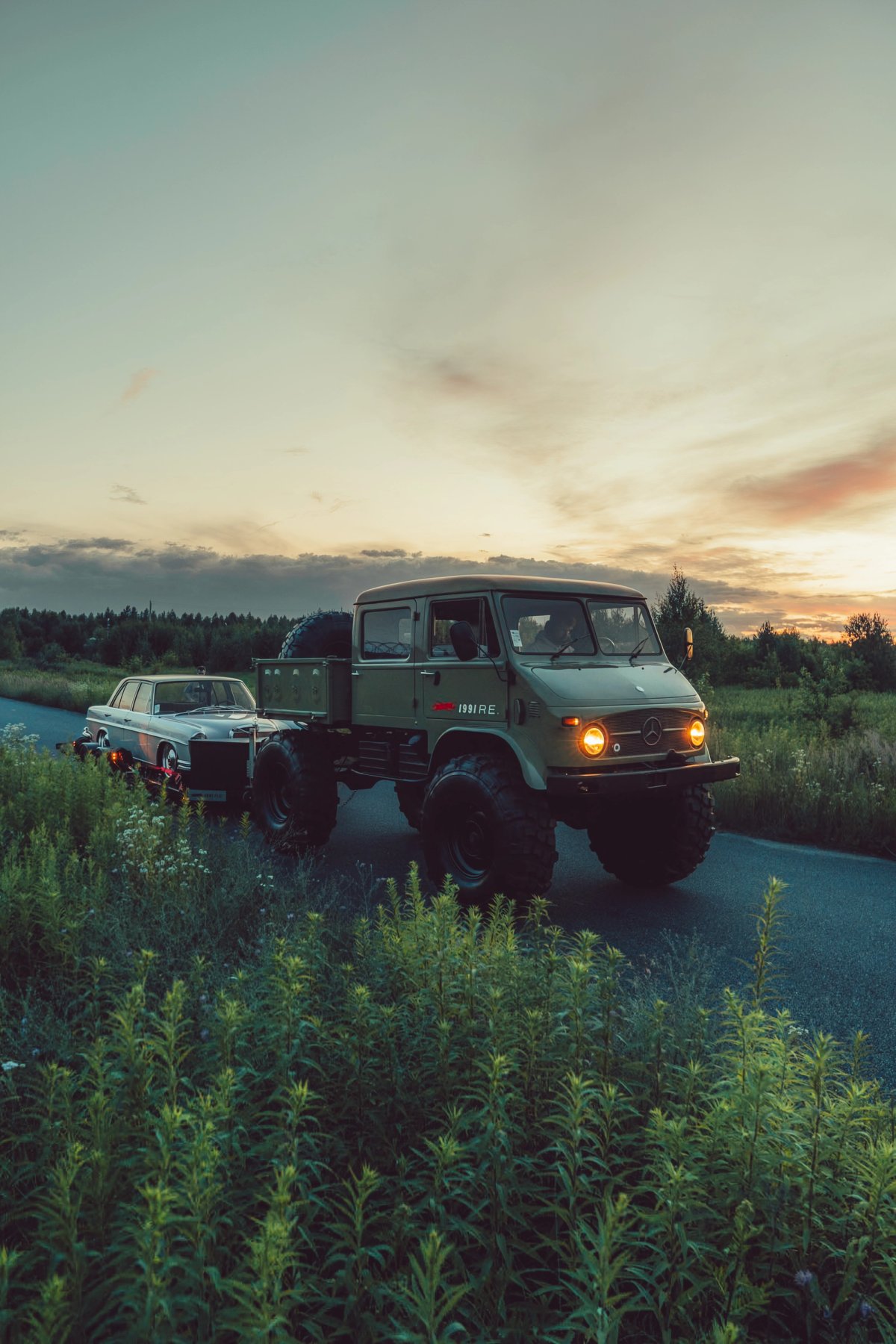
Back in Poland, it did not take long to settle on a full plan for the Unimog. They welded on a basket rack, shortened the bed, lifted the truck and repainted practically everything. The frame was refreshed, and the wheels and bumper were powder-coated. The cab was in decent shape, so it stayed original and only got a thorough polish.
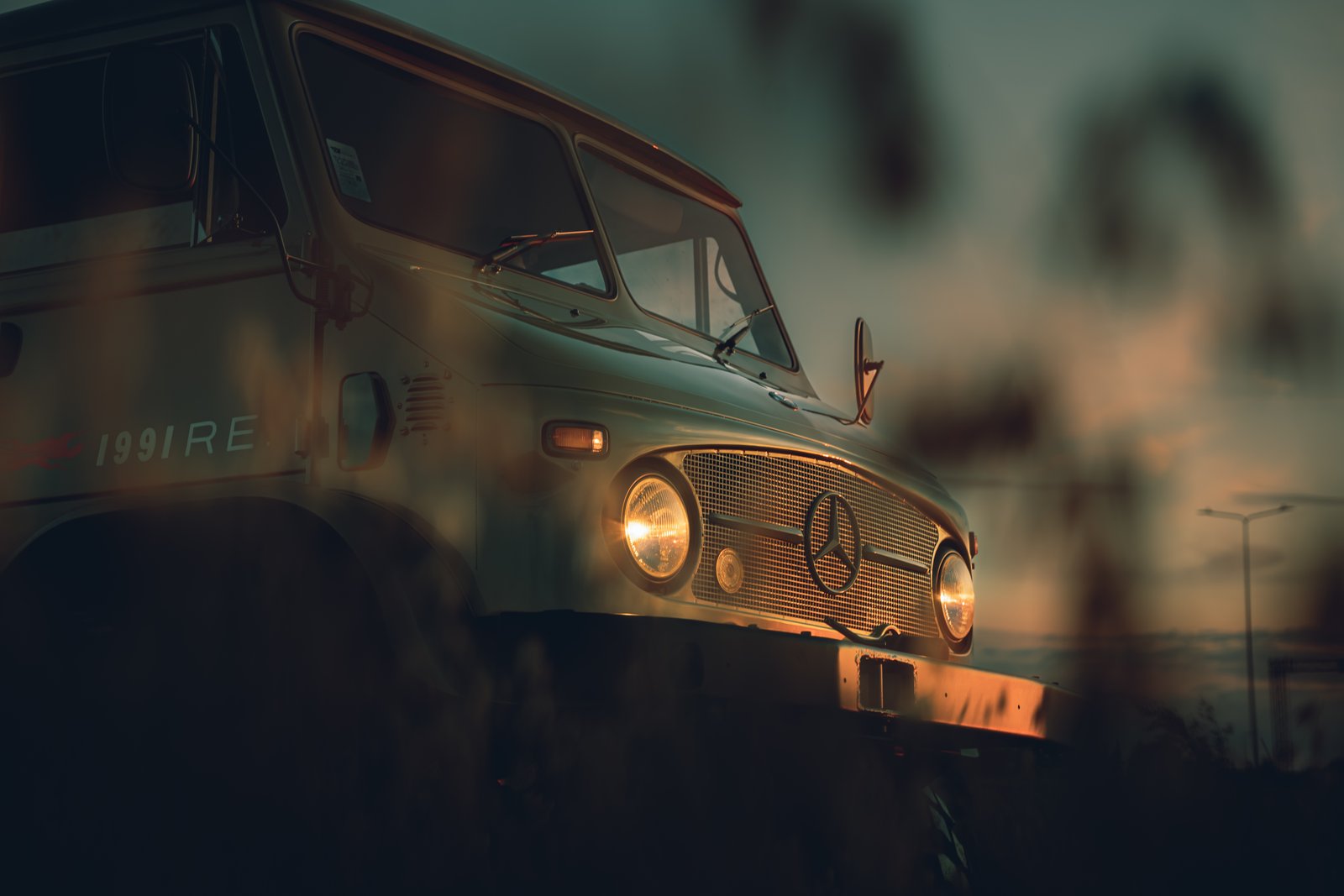
The bed took the most work, and it was demanding metalwork. It had to be shortened to suit the truck's new proportions, the basket racks and mounting points were welded on and adapted, and the whole surface got fresh paint.
The trailer for the W108 was the real problem. The Unimog's tow hitch sits very high, and the trailer had been built as a low platform for carrying low-slung cars. The drawbar had to be completely reworked. New parts were laser-cut and the coupling redesigned to deal with the difference in height. Practically two days before they were due to leave for Ultrace, the whole 1991Rework team was still battling with the trailer.
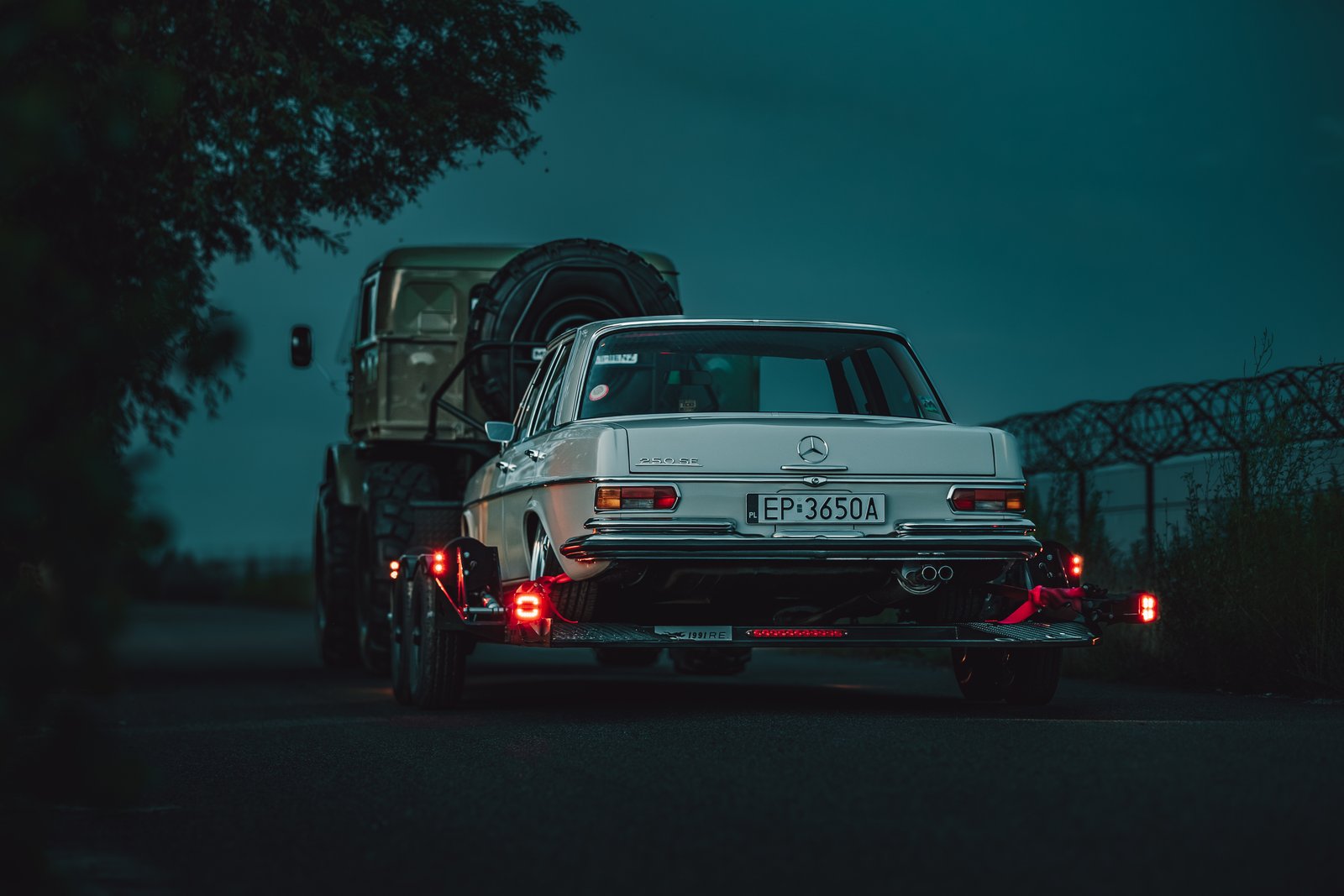
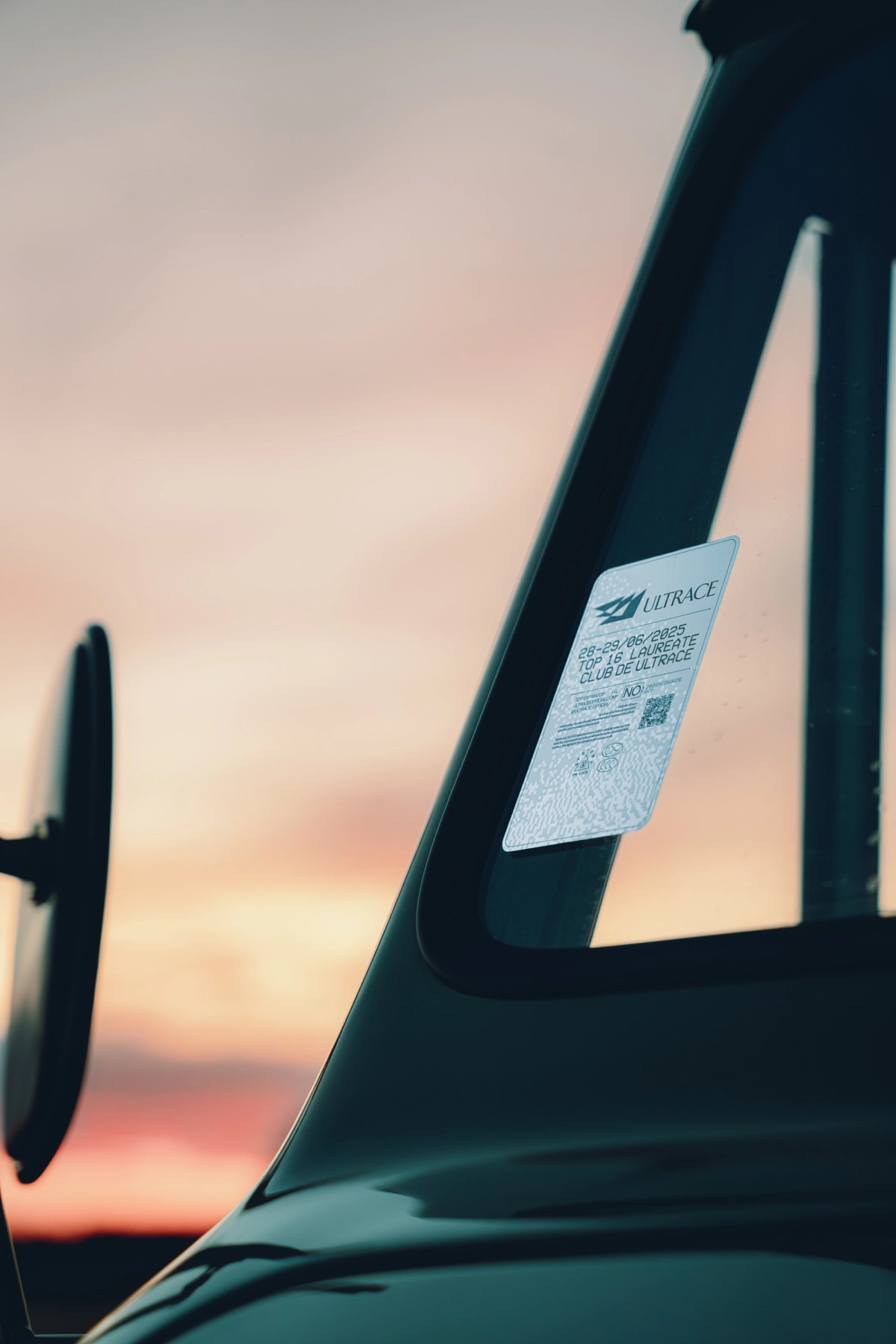
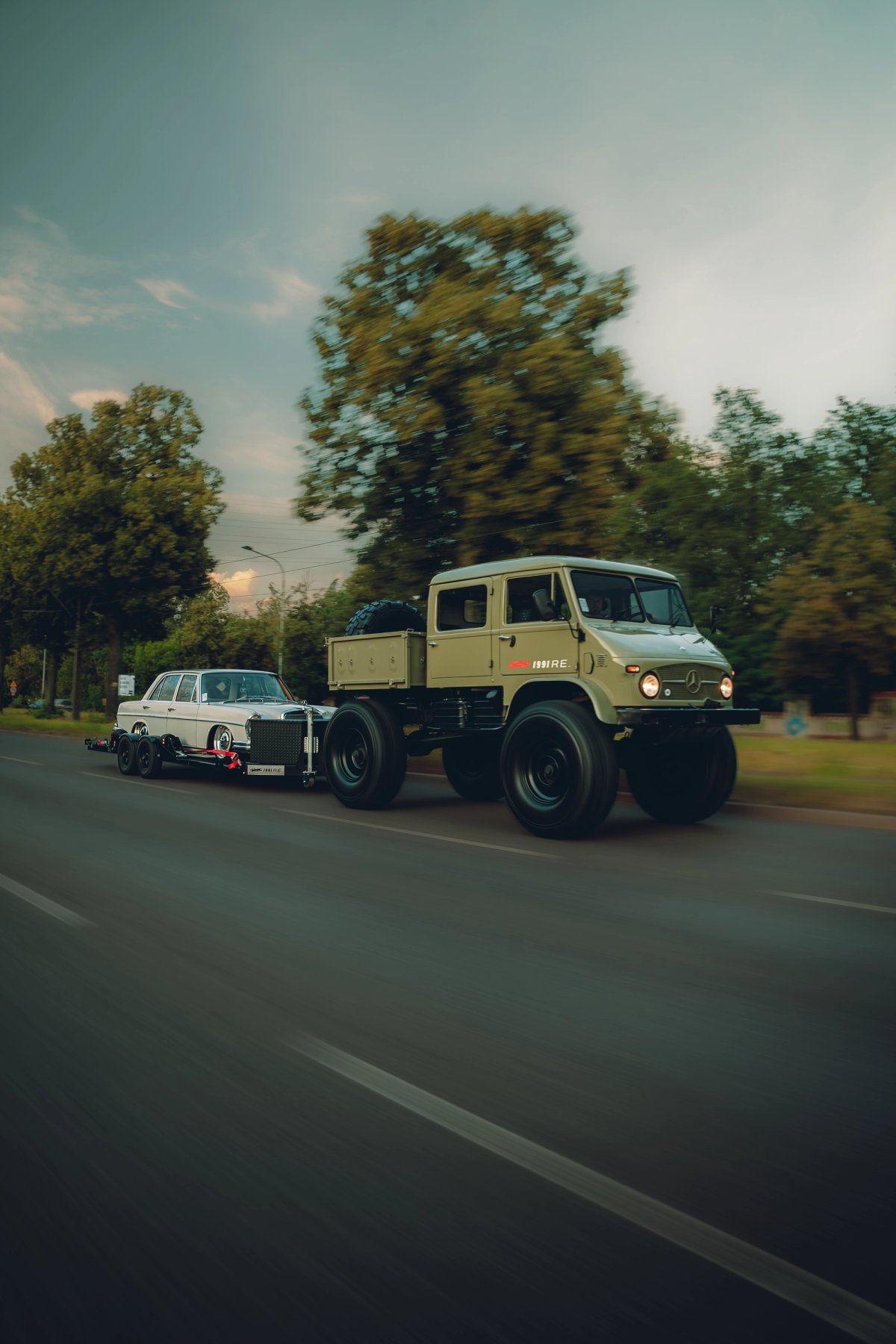
The Unimog still had its original 82-horsepower engine, and now it also wore new oversized wheels weighing 130 kilograms each. It struggled. The drive from Łódź to Wrocław took much longer than usual. At Ultrace 2025 the international jury put the Unimog in its Top 16. Ultrace is known for low cars on cambered wheels, but for the jury the idea, the story and the uniqueness of a car count just as much.
Along with the Unimog, they brought a three-litre turbodiesel from a W123 back from Norway, an OM617A. By the end of July it is due to be stripped down and completely rebuilt, and a special mounting plate that sets it at five degrees to the original engine will make the installation plug-and-play. By autumn the Unimog should be making around 250 horsepower.
Thanks to Robert Kaniewski for the photographs.


